Where can I find Trust Deed Scotland reviews?

Trust Deed Scotland have earned over [reviews] reviews from the [volume] people we’ve helped since 2009. Researching debt solutions in Scotland including Scottish Trust Deeds and the Debt Arrangement Scheme and their respective risks and benefits may allow you to understand the inner-mechanics more concisely and help give you peace-of-mind that there is help available for you. However, with so many different companies online offering the same or similar sounding solutions – it can be difficult knowing which companies you can trust. Should you find yourself in a difficult situation, one that may mean that you need to consider getting your personal finances under control using a statutory debt solution, this in itself may create increased indecision and may raise your anxiety levels. At Trust Deed Scotland, we’re very proud of the reviews that we’ve received over the years, and below we’ve selected some of the reviews that we received throughout 2020. Reviews that we believe encapsulate our high level of service and desire to achieve a fantastic end result for the clients that approach us looking for help with their unaffordable debts.

  • We’re No.1 rated out of 42 ranked companies in the category of debt relief service on Trustpilot.
  • Over 98% of our clients rated us 5/5 on Trustpilot.
When we talk to new clients, we usually refer them to our reviews as a signal of our trustworthiness, and so that our clients can find reviews that resonate with their own situation. Many people put off seeking help with debt due to the fear of being judged, embarrassed, or ashamed. However, we hope that if you are feeling this way too – it’s important to know that we’re here for you and that you’re not alone. If you want to talk to us in confidence, you can reach us on 0141 221 0999. One call with an experienced debt advisor offering tailored, non-judgemental debt advice could change your life for the better. ★★★★★ Polly wrote of their Trust Deed Scotland experience: Spoke with Matthew at Trust Deed Scotland and he provided useful explanations and a variety of options to effectively deal with solutions to my debt. I am grateful. The trustful and understanding tone and clarity of the processes were communicated to me in an honest way that reassured me that Trust Deed Scotland had my priorities and best interests in mind and helped me better understand the options and the processes to manage my debt. On contacting Trust Deed Scotland the initial conversations dispelled some fears and concerns that were worrying me. In my experience, I can wholeheartedly and without hesitation recommend Trust Deed Scotland to constructively help you as they have helped me, in the dilemma to help deal with a solution to your debt. Do not despair and contact Trust Deed Scotland. They provided me with a professional service which reduced my debt to a manageable amount for repayment. Many thanks to Matthew at Trust Deed Scotland, much appreciated.” ★★★★★ Stephanie wrote about her Trust Deed Scotland experience in October 2020: “Massive weight off our shoulders. We had built up a lot of debt and maxed out our credit cards. We were paying an extortionate amount every month and couldn’t keep our heads above water. I was nervous about calling but I’m so glad I did. Spoke to a lovely lady called Danielle who made me feel so at ease. She managed to sort us out on a 48 month payment plan and got a lot of our debt written off so we’re now paying less than half than we were and even managed to protect our car payments and keep our car. It’s great to finally feel like we’re not fighting a losing battle and in a few short years, we will be debt free and have a fresh start. Wish we had done it sooner.” ★★★★★ M Lowe described their experience with Trust Deed Scotland: “When you’re sat looking at your piles of letters demanding you owe this and that that you’ve been ignoring. It really can be very mentally draining. It took me a while to even think about signing up to a trust deed I had a look about and found trust deed Scotland and was not disappointed. Matthew was brilliant from the get-go. I felt instantly at ease and he has kept in contact often and assured me of any worries. I can tell you that wow, what a weight it is to have lifted off your shoulders. To feel confident that you will get clear of your debts and you will be able to say I’m debt free and not have the worry of every door knock or unknown phone call that it could be someone chasing you. I’ve already recommended Trust Deed Scotland to two friends I know in similar situations as me.” ★★★★★ Ashley said: “Was a bit sceptical about doing the Trust Deed as I saw it advertised on Facebook. Now I feel its the best thing I’ve done to get rid of my debt. Vicky my advisor was amazing and really helpful, the whole process only took a couple of days and not millions of forms to sign. Great experience with these guys.” ★★★★★ Towards the end of the year, our client Grant advised: “Don’t know where I’d be without Trust Deed Scotland. The sleepless nights were endless and after speaking with them I felt such a relief. Matt was incredible, took every detail financially required and left no stone unturned, he kept in constant contact and was transparent with the pros and cons of all advice given. I genuinely feel like I’ve been given a second chance with my finances and I couldn’t be happier. I can now focus on my family 100% without worrying. Having been paying £650 every month to my debts, I’m now down to £194 per month and I’m so relieved and thrilled with the service provided.” ★★★★★

Search for Trust Deed Scotland reviews online

You can find over [reviews] reviews online on our own Trust Deed Scotland reviews page, or check out our Trustpilot profile. All reviews that we receive are written in our customers’ own words, independently and without influence on what they should write or without an incentive to do so.

Get help with unaffordable debts today

You can get Scottish debt advice today by calling Trust Deed Scotland® on 0141 221 0999 or by completing our Trust Deed Wizard® form. Our experienced debt advisers give friendly, confidential and non-judgemental debt advice that covers the advantages and disadvantages of all formal debt solutions open to Scottish residents.

Scottish Trust Deed: What happens next?

What happens next in the Scottish Trust Deed application process? If the individual decides that a Scottish Trust Deed is their best option to deal with their debts, then the paperwork will be signed and the Trustee will attempt to have the Trust Deed protected. Protection is achieved in the following way: • The Trustee places a Notice in the Register of Insolvencies (ROI). • No later than 1 week from publication of the Notice, the Trustee will present a proposal to the creditors based on the individual’s assets and liabilities and the income and expenditure. • After a period of 5 weeks from publication of the Notice, if the Trustee has not received written objections from a majority in number of the creditors or any creditor(s) owed more than one third in value of the total debt, then the Trust Deed will be registered as protected. • The Trust Deed becomes protected from the date it is registered on the ROI by the Accountant in Bankruptcy (AiB). By obtaining protected status, this means that the creditors cannot take any further action against the individual for the recovery of their debts – they are legally bound by the terms of the Trust Deed. Once protected, the Trustee’s main duty is to realise the assets and/or collect regular contributions from the individual’s income, for a minimum period of 4 years, in order to make the agreed dividend payment to the creditors. The agreed contribution is subject to review at least annually or any time when an individual experiences a change in circumstances. It is essential that the individual co-operates fully with the Trustee for the duration of the Trust Deed by providing all requested information, keeping the Trustee up to date with any changes to their income or expenditure, advise of any changes to their contact details and, as far as possible, maintaining the agreed payments. At the end of the Trust Deed, the individual will be discharged from all debts included in the Trust Deed and can hopefully look forward to life after debt

Scottish Trust Deed Case Studies

Scottish Trust Deed Scenario 1
  • Married couple with 2 children of school age, Mr & Mrs in full time employment, Mr earns £2,000/m, Mrs earns £1,200/m.
  • Mr has debts of £40K, Mrs has debts of £25K, £20K of the debts are joint, total repayments are £1,300/m.
  • Home is jointly owned with £5,000 of equity.
  • Jointly owned Term Life Assurance policy.
  • Motor vehicle on HP, Mr is the registered owner & uses the car for work purposes.
Debts were incurred for home improvements and then to supplement the household income when Mrs took time off work to look after their children before they started school, a large consolidation loan was obtained in an effort to reduce their monthly outgoings but they continued to utilise other credit and their level of debt spiralled out of control. They then sought financial advice. Solution: Both Mr and Mrs signed Trust Deeds; Mr pays £250/m, Mrs pays £150/m for a 4 year period; Mrs’s parents are paying 20 monthly payments of £250 to acquire the Trustee’s interest in the property – £2,500 to each Trust Deed; the premium for life assurance policy is an allowable expense; Mr has also been allowed the HP payment as an expense and the HP company is willing to allow the agreement to continue. At the end of the Scottish Trust Deed, creditors will have received a payment of approx. 20p in the £ from Mr and a payment of approx. 17p in the £ from Mrs, all remaining debts will be written off. The joint debts will receive approx. 37p in the £ in total from both Scottish Trust Deeds. Scottish Trust Deed Scenario 2
  • Divorced male, self-employed tradesman, 1 dependant who lives with his ex-wife and for whom he has visitation rights, earns approx. £1,800/month.
  • Debts of £35,000, including £10K shortfall due to mortgage lender from repossessed family home and self-assessment tax debt of £8K.
  • Now lives in rented accommodation, family home was solely owned.
  • Works van, owned outright, poor condition, high mileage.
Debts were incurred in previous marriage to maintain his family’s standard of living, ex-wife was unemployed, loans and credit cards were used to supplement his income, marital breakdown followed and the family home was repossessed, he struggled to maintain his repayments but his income was insufficient to pay his daily living expenses, child maintenance, household bills and his creditors. He then sought financial advice. Solution: He signed a Trust Deed, paying £190/m for a 4 year period; the van will be kept as it is required for work purposes; an allowance has been made for child maintenance payments, ongoing self-assessment tax and NI contributions (he must pay his ongoing tax liabilities); the property shortfall will be treated in the same way as all other debts; at the end of the Trust Deed all creditors will have received a payment of 10p in the £, all remaining debts will be written off. Also see Debt Arrangement Scheme: What happens next.

Scottish Trust Deed Advice

You can get debt advice today by calling Trust Deed Scotland® on 0141 221 0999 or start your debt help journey by completing our Trust Deed Wizard® tool. Our experienced advisors give friendly, confidential and non-judgemental debt advice that covers the advantages and disadvantages of Scottish Trust Deeds and all other formal debt solutions open to Scottish residents.

Debt Arrangement Scheme: What happens next?

What happens next in the Debt Arrangement Scheme application process? If the individual chooses DAS, the individual commits to a debt payment programme (DPP) based on all their creditors receiving regular payments of their share of whatever the individual can reasonably afford each month. A DPP can last for any reasonable length of time (normally up to 10 years), depending on the amount of debt and how much the individual can pay. A DPP under DAS is proposed to creditors in the following way:
  • Proposals are sent to all the creditors and they have 21 days to respond if they wish to object to them.
  • If no creditors object, then the DPP is approved automatically.
  • If creditor(s) object and they are owed up to 10% of the total debt, then the DPP application will be automatically approved.
  • If one or more creditors object and they are owed more than 10% of the total debt, then the DPP can still be approved if it is judged to be “fair and reasonable” by the DAS Administrator (Accountant in Bankruptcy).
  • It is possible that the circumstances may change whilst the individual is repaying the debts under DAS, in which case the DPP may be varied to accommodate this change without penalty.
  • The continuing money adviser will help the individual produce an alternative debt payment programme based on the current situation and send this for approval.
  • The same 10% rule (described above) applies for approval of variations to already approved DPPs
  • So long as the amended proposal is fair, the creditors will not be able to stop the debt payment programme being approved.
  • If the DPP is refused, the individual has the right to appeal against the decision. However, the individual may need to look at other options, such as a Protected Trust Deed or Sequestration.
Only qualified money advisers can advise on and manage a DPP under DAS. A money adviser can be employed in the free advice sector, such as with the local Citizens Advice Bureau or local authority money advice team or the Money Adviser can be an insolvency practitioner (or a suitably qualified member of his/her staff). Once the DPP is approved, the individual only has one affordable payment to make, therefore, their monthly outgoings should be drastically reduced and the pressure from creditors should stop.

How much does a DAS cost?

There are no fees payable by an individual entering into the DAS. This is the same for all individuals whether they use a private sector firm (e.g. Harper McDermott Ltd) or a public sector organisation (e.g. CAB or local authority Money Adviser). The costs of administering the scheme are borne by the creditors i.e. from every £ received into the scheme, 22p is used to pay for the costs; this 22p is paid to the DAS Administrator (2p) and the Money Adviser (20p). The remaining amounts are distributed amongst all creditors on a pro rata basis and a successfully completed DPP deems all debts to be repaid in full.

Debt Arrangement Scheme Case Studies

Debt Arrangement Scheme Scenario 1 Married Couple, with 2 young children. Mr is in full time employment and Mrs is unemployed. Mr has credit card debts totalling £7k, Mrs has debts of £4k and there is £5k of joint council tax arrears (i.e. total household debts of £16k) They had been paying minimum payments on their debts, totalling around £300 per month, which was just affordable but due to high interest rates the outstanding balances were reducing very slowly. Unfortunately, Mr’s wages were then arrested for non-payment of council tax. As a result of this, they could afford only £150 per month for all their other debts, and they fell into arrears. Mr & Mrs Y set up a joint DAS. As the earnings arrestment is lifted upon approval, they can afford to pay £300pm. All further interest and charges are frozen and their debts will be repaid in full in around 4.5 years. Debt Arrangement Scheme Scenario 2 Single man in full-time employment. Owns home worth £140k, with outstanding mortgage £80k. Owns car worth around £7k. Did not wish to lose car or sell his home as has elderly parents living nearby, who require help getting around. Had unsecured debts totalling £25,000 due to previous business failure. He could afford to pay £350 pm to his unsecured debts and attempted to set up a payment arrangement with his creditors on this basis through a Debt Management Company. Unfortunately, one former business supplier is owed £8k and is not willing to agree to any payment proposals via the informal DMP, insisting that the individual must pay the full debt or face legal action. The creditor is aware of the equity in the house and the debtor fears that this creditor may eventually seek to have him made bankrupt and force a sale of his home. He has tried to re-mortgage to release funds but was rejected. Solution: Application for a DPP under DAS is made, paying £350pm to his creditors. This means his debts will be fully repaid within 6yrs and his home and car will remain protected. The difficult creditor objected to the proposals, but they were deemed “fair and reasonable” by the DAS Administrator. This means that the creditor was forced to accept the arrangement and is no longer able to take any enforcement action as long as the individual successfully completes his DPP. Also see Scottish Trust Deed: What happens next.

Debt Arrangement Scheme Advice

You can get debt advice today by calling Trust Deed Scotland® on 0141 221 0999 or by completing our Trust Deed Wizard® form. Our experienced advisors give friendly, confidential and non-judgemental debt advice that covers the advantages and disadvantages of Scottish Trust Deeds and all other formal debt solutions open to Scottish residents.

Low And Grow DAS

As the country continued to cope in the wake of the Covid pandemic, many people needed to deal with the impact of debt. The Debt Arrangement Scheme (DAS) is a formal debt solution in Scotland that has seen significant growth in the last decade Such has the growth in the use of the Debt Arrangement Scheme been in Scotland, that the number of people using the solution grew 18% in 2020 against 2019, according to official Scottish government statistics. Under existing affordability rules, the solution can only be put in place if an individual has the ability to be able to make regular repayments from their income. From 11 January 2021, it was possible for those struggling with unmanageable debt as a result of a loss of income due to the pandemic, to make minimum or token payments through DAS with a view to increasing them when their income returned to a normal level.

What was a Low and Grow DAS?

Low and Grow Debt Payment Plans, or Low and Grow DAS as they are also referred to, were a tool developed during Covid times to help people with unaffordable debts in Scotland. For many Scottish residents, they provided vital breathing space and a welcome opportunity to take control of household finances. The first few months of the year are typically the time of year when more people need help with their unaffordable debts. UK government figures showed that after the first lockdown, over 700,000 Scots had been furloughed under the UK job retention scheme “furlough” with many households struggling with debt, the then-created Low and Grow debt payment plan was intended to welcome relief to those who are in a position to repay their debt over a longer period of time but require a short term solution in the intermediate period before their regular income returns to normal. When a person repays their debts through DAS, interest and contractual charges are frozen. DAS lifts wage arrestments; stops court action including Sequestration (bankruptcy in Scotland) and requires one monthly payment that is distributed to all creditors on their behalf. You can find out more the advantages and disadvantages of the Debt Arrangement Scheme and alternative formal solutions such as Trust Deeds by calling Trust Deed Scotland on 0141 221 0999. Jamie Hepburn, Minister for Business, Fair Work and Skills said at the time: “I am acutely aware of the impact that the pandemic and necessary restrictions are having on household finances. In this uncertain time, I would encourage anyone experiencing problems with debt to seek advice as soon as they can. “DAS is an enormously valuable tool to help manage problem debt and the Scottish Government has worked closely with the advice sector and other stakeholders to introduce greater flexibility in the operation of the scheme to assist those impacted by the pandemic.” Speaking back in 2021, Trust Deed Scotland® said: “Getting early, tailored debt advice remains crucial as the country continues to cope with the pandemic. Every day we speak to people who are feeling overwhelmed by the challenges of lockdown, homeschooling, poor mental health, caring for elderly relatives, reduced income and many are feeling overwhelmed with their debt. Many of those individuals have had a sudden change in their circumstances and are prevented from repaying their debts due to a short term inability to make repayments. That short term problem can sometimes lead to a situation where the person can never catch up and a debt solution is required. We welcome the newly created Low and Grow debt payment plan and urge people struggling with problem debt to seek debt help now.”

Debt Payment Programmes under the Debt Arrangement Scheme vs. Minimal Asset Process

Minimal Asset Process (MAP) is a route into Sequestration (bankruptcy) aimed at individuals who have no, or little assets and who also have little, or no income. DAS is not insolvency, it is the only statutory debt management plan in the UK. In order to find out which option suits an individual better, it is essential to seek advice before making a decision. Both solutions, in addition to Trust Deeds, are effective ways of formally dealing with unaffordable debts. While it’s true that many people currently furloughed, or claiming Universal Credit may loosely qualify for both, a clear understanding of your personal circumstances, assets, future ability to repay debts, and/or desire to rebuild a credit rating need to be correctly assessed. Bankruptcy has always carried the greatest stigma and many people that we’ve spoken to over the years have struggled on for years to avoid being made bankrupt but the reality is that in the right situation, the Minimal Asset Process route and Full Administration Sequestration are effective tools that have helped thousands of people rebuild their lives through the years.

DAS or MAP

If you are struggling to repay your debt and feel that MAP is too severe, or a formal debt solution like DAS, Trust Deeds doesn’t seem like an arrangement that you want to consider, there are other tools that you can explore in the short term, including a Statutory Moratorium.

Statutory Moratorium Scotland

If you are worried that you may be at risk of Sheriff Officers taking action against you, a Statutory Moratorium (Scotland) is a legal instrument that you can use to protect yourself. Statutory Moratoriums also protect you from creditors making an application for you to be Sequestrated. The Statutory Moratorium gives you 6 months of protection from a Sheriff Officer taking action against you, such as arresting your bank account or freezing your income. If you are worried a Sheriff Officer may freeze your bank accounts, or arrest your wages, then a Statutory Moratorium may be suitable for you. It can also stop possessions like cars, or any other valued asset item, being attached. The process is designed to allow breathing space for anyone struggling with their debts, so they can consider their options, regardless of whether those options are the Debt Arrangement Scheme, a Trust Deed or Bankruptcy (Sequestration). Essentially, a Statutory Moratorium can be used to buy you time, until the pandemic is over so that you can review your options at a later date when you have more information on your future ability to pay. However, bear in mind that a Statutory Moratorium is not a long-term solution.

Payment Breaks and Tailored Support

You may be able to apply for payment breaks directly with your lenders, at their discretion. This will generally give you three months of payment breaks per application, this process becomes known as Tailored Support. Tailored Support apply to a range of products from credit cards and loans to mortgages and car finances. Applying for a payment break under tailored support will most likely impact your credit rating to some extent. As Tailored Support is more ambiguous in its definition, it’s down to your lender to advise on what they can offer you including a (further) payment deferral a (further) period of reduced payments, waiving or reducing interest, agreeing on a repayment plan and/or refinancing your credit agreement.

Advice on your options

To find out more about managing your money and getting free advice, visit Money Helper, an independent service set up to help people manage their money. Trust Deed Scotland® can give you advice on DAS but also advice on applying for a Statutory Moratorium and our experienced team, offer debt advice that is…
  • Non-Judgemental – Our friendly, helpful team want to help find a solution that suits your needs.
  • Confidential – We do not share your details with any other companies. Your data is safe and secure.
  • Experienced – [volume] people helped and over [reviews] five-star reviews on Trustpilot.
  • Tailored – Pros and cons of all formal solutions explained.

Apply for a formal debt solution

You can find out more about applying for a formal debt solution by using our online form, or by calling us on 0141 221 0999. Our experienced debt advisors provide tailored debt advice outlining the risks and benefits of the Debt Arrangement Scheme and other formal Scottish debt solutions including Protected Trust Deeds and Sequestration.

Demand for debt advice to increase by up to 60% in 2021

The Money and Pensions Service expects the demand for debt advice to increase by up to 60% by the end of 2021 and this is likely to lead to an increase in the need for debt relief. In August 2020 Citizens Advice estimated that 6 million UK adults have fallen behind on at least one household bill during the pandemic, with 20% of those who have fallen behind on their bills unable to afford household essentials. An estimated 3,000,000 more people than before the pandemic will need support with problem debt by the end of 2021. As a result, proposals have been outlined by the UK government to increase the financial eligibility criteria for Debt Relief Orders (DROs) – the English, Welsh and North Irish equivalent of the Scottish Minimal Asset Process route to bankruptcy. (MAP) A DRO/MAP is a route into bankruptcy (Sequestration in Scotland) for people who have problem debt and who also have a low income, with little or no assets. The aim of the proposed changes is to help more people deal with financial difficulties and to achieve a fresh start. The UK government is publicly consulting on changing the eligibility criteria to enter into a DRO to:
  • Increase the total amount of debt allowable to £30,000 (from £20,000)
  • Increase the value of assets owned by the individual to £2,000 (from £1,000)
  • Increase the level of surplus income to £100 (from £50) per month
NOTE: For more information on how the Minimal Asset Process route to Sequestration works, please read our MAP guide. Kwasi Kwarteng, Business Secretary said: “Suffering from financial difficulties places a huge amount of stress on people’s mental health and wellbeing, which is why we are committed to giving more people who are struggling with debt a chance for a fresh start. Debt Relief Orders are a valuable tool for supporting vulnerable people to get to grips with their problem debts. Our plans to increase the eligibility criteria will mean many thousands more could benefit from this help.” Trust Deed Scotland® further advised: “Many people in the rest of the UK stand to benefit from the proposed changes, at a time when they are most needed, especially as it’s likely that the additional £20 per week payment made available via Universal Credit will be discontinued. In Scotland, thanks to changes already passed as part of the Coronavirus Bill in 2020, MAP application fees had already been reduced or waived for people with the lowest incomes and the qualifying debt ceiling limit has also increased. However, thanks to additional Statutory Moratorium support that was also passed as legislation in 2020, and more recently, we now also have the option to offer a Low and Grow payment plans in Scotland. Find out more about What is a Statutory Moratorium. The Low and Grow DAS process allow individuals to make minimum or token payments through DAS with a view to increasing them when their income returns to a normal level. We are hopeful that for people struggling with debt throughout the rest of the UK, they too can benefit from the proposed changes should Payment Breaks and Tailored Support offered by creditors not be enough to resolve their finances difficulties.” If you are experiencing financial difficulties and are also affected by a drop in your regular income, you can find out more about your options including Statutory Moratoriums, MAP and Low and Grow DAS by calling our advice team on 0141 221 0999. Alternatively, if you are experiencing financial difficulties but continue to receive a regular income, you can find out more about Trust Deeds, and the Debt Arrangement Scheme which allows you to manage your unaffordable debt by significantly reducing your monthly creditor payment obligations, freezing your interest and charges and reducing creditor contact.

Can I apply for MAP?

To apply for Minimal Asset Process Sequestration, you must meet the following conditions:
  • You must owe a total debt of at least £1,500.
  • You must not owe more than £25,000 (This may / may not revert back to £17,000 after March 31 2021).
  • You do not own a single asset worth over £1,000 (this excludes a vehicle which does not exceed £3,000 and is reasonably required).
  • The total value of assets does not exceed £2,000.
  • You must have received advice from an Approved Money Adviser.
  • You must be living in Scotland or have lived in Scotland within the last 12 months.
  • You must not have been made bankrupt in the last five years.
  • You must not have been made bankrupt through the Minimal Asset Process within the last 10 years.
  • You must pay the reduced application fee of £50 to the AiB (This may / may not continue to be reduced/waived after March 31 2021).
  • You must have a certificate for sequestration signed by an authorised person
  • You must have been in receipt of benefits only, for the last six months; or
  • A money adviser has assessed your income and expenditure using the common financial tool and you have no surplus to pay a debtor’s contribution.
  • You do not own any land or property.

About Trust Deed Scotland®

Our experienced debt advice team have helped over [volume] people in Scotland get their finances back on track. As well as advice on MAP, we offer formal Scottish debt solutions such as Protected Trust Deeds and the Debt Arrangement Scheme. With over [reviews] 5/5 reviews, we’re rated No.1 in Trustpilot’s debt relief service category. Call us on 0141 221 0999 for friendly, non-judgemental debt advice or complete our Trust Deed Wizard tool today.  

Council Tax Arrears Statistics Released by Citizens Advice

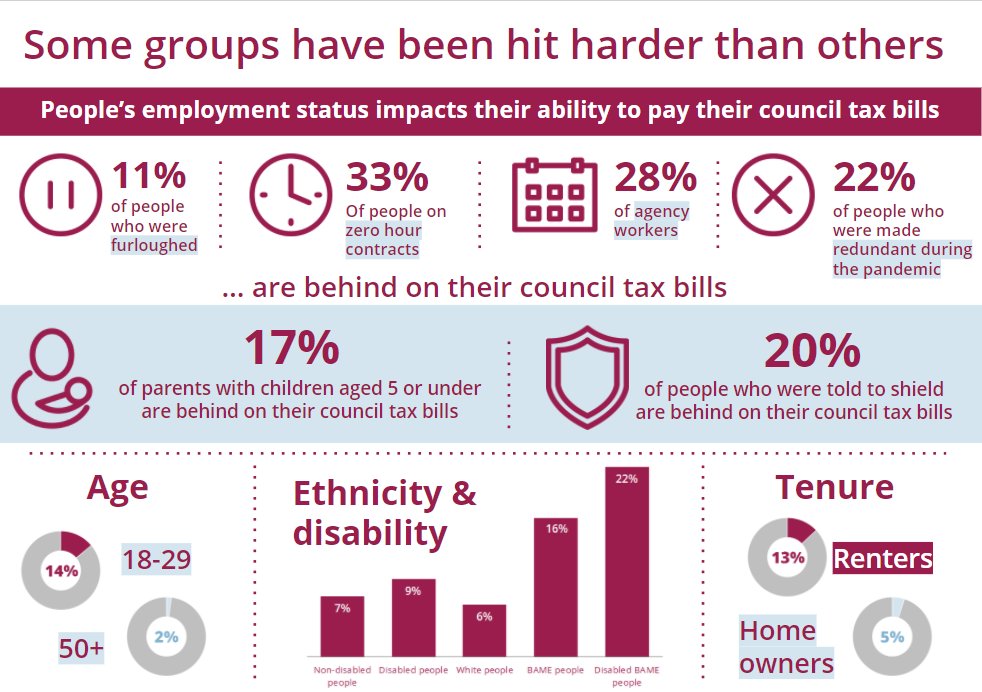
Over 3,500,000 people in the UK now have council tax arrears debt, with an average of £800 council tax arrears, reports Citizens Advice* Founded in 1939, Citizens Advice is a network of 316 independent charities throughout the UK guided by four principles: A free service, Confidentiality, Impartiality and Independence. The unavoidable debt report published by Benedict Guindi and Tilly Cook of Citizens Advice said that the pandemic and the restrictions put in place to control it, have had a dramatic impact on household finances with many people have been made redundant, furloughed, become too ill to work or have taken time off to care for a loved one. Some groups identified as being most affected by council tax arrears included:
  • 11% of people who were furloughed
  • 33% of people on zero-hour contracts
  • 28% of agency workers
  • 22% of people who were made redundant during the pandemic
  • 16% of people of BAME
  • 22% of people of BAME and with a disability.
  • 17% of parents with children aged 5 or under are behind with council tax arrears debt
  • 20% of people who were told to shield are behind with council tax arrears debt.
  • 14% of people aged 18-29 are behind on their council tax
  • 13% of renters and 5% of homeowners indicated that they had accumulated council tax arrears debt.
As a result of the findings of their data, Citizens Advice said: “On average, the people we help with council tax debt have just £20 left after covering essential living costs to pay off debts. 40% have a negative budget, meaning their income doesn’t cover their living costs. People are often forced to make trade offs between repaying their debts and covering essential living costs. During the pandemic, 17% of people with council tax arrears were unable to afford food in comparison to 3% of the total population.” “Councils should prioritise writing off the debts of those who are struggling the most financially, such as those in receipt of Local Council Tax Support and people receiving benefits. There were existing problems with the way council tax is collected before the pandemic hit. The way the regulations are designed makes it harder for people with council tax arrears to arrange and make repayments. The Ministry for Housing, Communities and Local Government should use secondary legislation to amend the Council Tax (Administration and Enforcement) regulations to:
  • Stop people being liable for their entire annual bill if they miss 1 monthly payment.
  • Make it easier for councils to improve collection by giving them more powers to collect debt in a fair way without getting a liability order first.
  • Set out more steps councils must take before using the court process.
This would ensure that all people in debt are given the option of affordable repayments to get back on track.”
Citizens Advice - Council Tax Arrears Stats
The infographic image above was taken from Citizens Advice unavoidable debt report and remains © of Citizens Advice.

Council Tax Arrears Debt in Scotland

As reported in the Glasgow Herald in early January, Citizens Advice Scotland warned of a potential Council Tax explosion, with CAS financial health spokesman Myles Fitt saying: “Scotland is potentially facing an explosion of council tax debt in 2021. The figures before the pandemic are bad enough, but the real fear is that Covid-19 is going to make matters much worse. Councils across Scotland showed a real empathetic approach to those who found themselves in council tax payment difficulties, and the payment breaks in the first six months of the pandemic were extremely welcome. However, this has led to arrears building up, arrears that will be difficult to meet for the many people who have during that period experienced an income drop due to unemployment or reduced working hours. “For others, this problem is yet to come in 2021 when the economic squeeze on personal finances is felt as the furlough scheme and payment support measures close at the end of April, ironically in the same month the first payments of council tax in the new financial year are due.” CAS is calling on people to make use of the Scottish Government’s council tax reduction scheme which can help reduce future payments. For some people, it can also offer a backdate of up to six months. Contact your local authority for more information. All local authorities should have information on their website including: Glasgow council Edinburgh council Aberdeen city council North Lanarkshire council South Lanarkshire council Highland council East Ayrshire council North Ayrshire council South Ayrshire council Trust Deed Scotland® said “Falling behind on priority debts such as council tax can have the severest of consequences. Council tax arrears enforcement action can escalate quickly when there is non-payment of council tax with Sheriff Officers being used to collect outstanding council tax arrears debt with enforcement action such as wage arrestments being used as a last resort to collect outstanding monies. We’re thankful that Citizens Advice have highlighted these groups that they have identified as being most at risk of developing problems with their council tax and we offer tailored debt advice to anyone who is struggling with unaffordable debts, whether they have council tax arrears debt or other types of unsecured debts such as credit cards and loans. As well as being able to provide formal, statutory solutions such as Protected Trust Deeds and the Debt Arrangement Scheme, we can also provide some breathing space for our clients who need more time to think about the best solution for their problem debt by using a Statutory Moratorium.”

Help with unaffordable debt in Scotland

To find out more about managing your money and getting free advice, visit Money Helper, an independent service set up to help people manage their money. Citizens Advice Scotland (0800 028 1456) can give you free, impartial debt advice alongside other money charities including National Debtline (0808 808 4000). As well as formal debt solutions, The Trust Deed Scotland® team offer debt advice that is… Non-Judgemental – Our friendly, helpful team want to help find a solution that suits your needs. Confidential – We do not share your details with any other companies. Your data is safe and secure. Experienced – [volume] people helped and over [reviews] five-star reviews on Trustpilot. Tailored – Advantages and disadvantages of all formal solutions explained. You can find out more about how we can help you by using our Trust Deed Wizard, or by calling us on 0141 221 0999. Our experienced debt advisers provide tailored debt advice outlining the pros and cons of the Debt Arrangement Scheme and other formal Scottish debt solutions including Protected Trust Deeds and Sequestration. *Citizens Advice commissioned ICM unlimited to conduct a survey of a representative sample of 6,004 adults living in the UK. The survey took place between 12th and 25th November. The sample has been weighted by age, gender, region, social grade, work status and ethnicity to be representative of the UK adult population. The 3.5 million in arrears figure is based of 7% of the population being behind on their council tax bills. Then extrapolating this out to the UK adult population of 52.5 million

55% of Young Scots Losing Sleep Worrying About Debt

A poll commissioned by the registered debt charity Christians Against Poverty (Scotland) found that 55% of young Scots aged 16-34 are losing sleep worrying about their personal finances with almost 60% revealing that it is negatively affecting their mental health. The survey, conducted by Savanta ComRes, a market research consultancy based in London, surveyed over one thousand Scots and said that 54% of those in the 16-34 age category did not know where to access free debt help. Speaking in regards to the findings of the survey, the National Director of Christians Against Poverty Scotland, Emma Jackson said: “We know that the economic effects of the pandemic have had a particular effect on young adults. With significant job losses in retail, hospitality and entertainment, it is understandable why large numbers are feeling so worried about their finances. “Many are experiencing debt for the first time and are unsure of what to do. Our message is clear, we urge everyone experiencing problem debt to seek free debt help today.” Trust Deed Scotland said: “We’re aware of the impact that having unaffordable debt can have on the mental health of those who have problem debt, and how that stress can also impact their wider family life. Not only do we see this same trend amongst younger Scots, but among all age groups. As an organisation who have advised over 25,000 Scots from all walks of life, a regular response to our five-star rated TrustPilot reviews talks about how our clients are once able to sleep again at night after a debt solution has been put in place for them. As there is also a stigma attached to being in debt, many people who do have problem debt will avoid seeking help and ultimately attempt to struggle on alone. In agreement with Christians Against Poverty Scotland, we understand the effect of having unaffordable debt has on the frame of mind of any individual who is experiencing financial difficulties and we’re also advising those who are struggling with their unaffordable debt to seek debt help immediately. Our experienced debt advice team at Trust Deed Scotland give non-judgemental, friendly tailored debt advice for residents of Scotland. If you’re struggling with debt, call us on 0141 221 0999 in confidence.”

Problem Debt and Mental Health links

Debt and mental health are frequently linked. In a study conducted by The Money and Mental Health Policy Institute, it was revealed that there were over 1.5m people in England experiencing both problem debt and mental health problems. People with problem debt are significantly more likely to experience mental health problems:
  • 46% of people in problem debt also have a mental health problem.
  • 86% of respondents to the survey of nearly 5,500 people with experience of mental health problems said that their financial situation had made their mental health problems worse.
    • The survey also found that people with mental health problems found that, while unwell:
    • 93% spent more than usual
    • 92% found it harder to make financial decisions
    • 74% put off paying bills
    • 71% avoided dealing with creditors
    • 56% took out a loan that they would not otherwise have taken out.
People with mental health problems are also more likely to be in problem debt:
  • 18% of people with mental health problems are in problem debt. People experiencing mental health problems are three and a half times more likely to be in problem debt than people without mental health problems (5%).
  • 72% of respondents to Money and Mental Health’s survey said that their mental health problems had made their financial situation worse.
Problem debt may not typically always happen overnight caused by a drastic change in circumstances. In some cases, what may begin as a niggling doubt over meeting monthly payments can lead to sleepless nights. Unfortunately for some, an eventual spiral occurs as debts become no longer affordable. Problem debts develop, increasing the likeliness of developing a mental health issue as a result. Closer to home in Scotland, the Herald and more specifically regarding small business owners, the Glasgow-based newspaper recently reported that in a study of 1,200 companies done by the Federation of Small Businesses (FSB) in January 2021, it found that 40% of respondents are worried about their mental health.
  • 30% said repaying debt was weighing on their mind
  • 44% were worried about the financial sustainability of their family.
Small business owners worried about their finances and looking for self-employed debt help are also urged to contact Trust Deed Scotland on 0141 221 0999.

How we’re helping people with debt who are having sleepless nights

Every year, Trust Deed Scotland empower thousands of people in Scotland to deal with their finances and go on to enjoy life after debt. Having received over [reviews] five-star rated debt advice reviews, over 130 of our clients in their own words specifically mention being able to sleep again at night, after receiving help with their unaffordable debts from us. We’ve compiled a selection of our reviews below. In January 2021, J Smillie wrote: “Vicky was great from start to finish. I now have my life back and able to sleep at night again.”   Also reviewing Trust Deed Scotland in 2021, Edwin wrote: “From the first contact, I have been dealt with sympathetically and professionally. All options were explained thoroughly and questions answered. This has lifted a great weight off my shoulders which affected my work life as well as my personal life. Thank you Trust Deed Scotland, I can sleep at nights now.” Another 2021 Trust Deed Scotland client said: “For the last year, I have been suffering so much with stress and anxiety over my money worries. I couldn’t sleep, I was so down and crying at least once a day as I couldn’t see a way out the hole I got myself in. I got in touch with Vicky and I cannot praise this girl enough she was so understanding with my situation and got me finally on route to a debt free life. Thank you so much, Vicky, you are a credit to your company.” In 2020, Claire said: “I was recommended to Trust Deed Scotland by a work colleague as I was well over my head with debt, it was affecting my health mentally and physically. I plucked up the courage to seek advice, I spoke with Jacqui Richardson who made me feel so at ease, she didn’t judge me, she explained everything to me from start to finish, kept me updated every second day, it was the best decision I have ever made! No need to feel embarrassed, if you are looking for the best advice, please please give them a call, at least now I can sleep at night.” I would like to thank Jacqui for everything she has done for myself and my family, If there were more stars to be given, they would certainly deserve them.” K McDonald wrote of their Trust Deed Scotland experience in 2020: “Soreena has been amazing. Never judged me and has helped out so much. For the first time in many months, I’ve been able to have a full night sleep. I can’t thank her enough for all her help.” In 2019, Mr Smith said: “After two years of non-stop worry and no sleep, it was affecting everything I did 24 hours a day. Eventually plucked up the courage to do something about it. One phone call my mind was put at ease. I am now in the middle of a plan being put in place which means I’m going to be back in control. Thank you Trust Deed Scotland.” Katrina left a review in 2017 where she advised: “Danielle at Trust Deed Scotland was Superb, understanding informative clearly answered all questions in plain language keeping me up to date every step of the way. Thank you, I can manage to sleep at night.” Donna, a client that Trust Deed Scotland helped in 2016 said: “If you’re feeling stressed out & getting deeper into debt, struggling to repay your debt. I would 100% recommend Trust Deed Scotland. They are all so friendly and don’t make you feel like a bad person. My husband and I were just getting deeper into debt and didn’t see any solution to get out of it, it was just building up. We contacted Trust Deed Scotland and they made us feel at ease and totally stress free right away, I would recommend a trust deed to anyone struggling with their debt. We now have low monthly payments which are so much easier to afford and we will be debt free in 5 years. We can now sleep better at night and see a better future.”

How to get Scottish Debt Advice today

If you’re worried about your finances and would like to take control of your unaffordable debt, you can contact Trust Deed Scotland on 0141 221 0999, or use our online Trust Deed calculator  tool for more information. As a leading provider of formal Scottish debt solutions including Trust Deeds, and the Debt Arrangement Scheme, our experienced debt advice team are able to work with you and offer tailored debt advice that puts you at the heart of the decision-making process.

What is an Employer Salary Advance Scheme?

For an increasing number of cash-strapped Scots, a fairly new solution to short term money problems has emerged in the shape of Employer Salary Advance Schemes (ESAS). Companies such as Hastee and Wagestream have emerged as the leading providers of Employer Salary Advance Schemes, a new form of Payday Loan, albeit without the infamously high interest rates that their predecessors had, that can allow individuals to access up to 50 percent of their wages before their usual payday. While it is highly unlikely that an individual may have built up problem debt exclusively with an ESAS, they’re more likely to become an issue for people already experiencing financial difficulties. The main concern with the ESAS is that, if used regularly, the fees can add up to a significant amount. Despite these fees often being between 0-5% of the loan provided, over time this can accumulate rapidly. Therefore, without realising, ESAS borrowers can be paying hundreds of pounds in fees if they use ESAS multiple times. Another concern area with ESAS is the potential for its borrowers to become reliant on the service. If used continuously throughout the year or even over a few months, ESAS can cause budgeting to become focused on two payments a month instead of one. E.g. having to borrow early in the following month as their ‘final salary’ has been reduced by repaying the previous loans. As a result, anyone considering borrowing through their employer’s ESAS system should be careful about how often they are using them to get through periods of financial difficulties.

Can Employer Salary Advance Schemes result in an unaffordable debt problem?

In short, yes, Employer Salary Advance Schemes can become part of an eventual unaffordable debt problem for people who have been given access to funds but not correctly assessed for affordability. In a similar way to the likes of payday loans previously, An ESAS can push people with unaffordable debt into a problem debt cycle. It is therefore anticipated that these Employer Salary Advance Scheme services will be regulated, like the payday lenders they aimed to replace, or more recently like Buy Now, Pay Later lenders such as Klarna and ClearPay. Whilst still in their infancy, ESAS lenders predominantly work with hospitality, retail and healthcare employers. The regulatory body said that they are seeing new providers joining the market and expect the sector to expand in the next few years. In July 2020, the regulatory body issued a statement that warned of a lack of transparency around costs, and the likelihood of workers making repeat withdrawals and becoming dependent on the services to make ends meet. The regulator said that while ESAS products do have benefits, it is important that employees and employers are aware that there may be some risks in using ESAS lending services that could result in Employer Salary Advance Scheme debt issues further down the line. Lack of credit regulation. The regulatory and statutory rights and protections, from which borrowers under consumer credit agreements benefit, do not apply, as ESAS usually operate outside of credit regulation. For example, ESAS providers have no obligation to check affordability. Therefore, employees will need to satisfy themselves that they will have enough money on payday to pay other expenses they may incur at that time (for example their mortgage or rent payments) when they receive the balance of their normal salary. The high-cost short-term credit (HCSTC) price cap on charges does not apply either, and the Financial Ombudsman Service will not be able to consider complaints. Lack of transparency about cost. The amount of the transaction fee might be a modest sum. However, there is a risk that employees might not appreciate the true cost and how this compares with credit products such as loans. Employees may find it difficult to compare the fixed transaction fee charged for each drawdown to an interest rate/APR. In some cases (depending on the amount of the advance and when it is used in the pay cycle) this may result in it being equivalent to an interest rate that is higher than the price cap for payday loans and other forms of HCSTC. This can become particularly expensive if an employee uses the product repeatedly Dependency and repeat use. If an employee takes their salary early, it is more likely they will run short towards the end of the next payday, potentially leading to a cycle of repeat advances and escalating fees. Lack of visibility for credit reference agencies. Credit reference agencies will not record use of the product, so creditors who subsequently carry out credit searches won’t necessarily be aware that the customer is using ESAS. This may in some cases be relevant to creditors’ assessment of credit or affordability risk and might result in unaffordable loans being made. In February 2021, the regulatory body followed up on the regulation of ESAS loans and highlighted a couple of examples: Paul, an ESAS user that spoke to the regulatory body said “I would like to keep it personal and my employer not to know. It could affect your progression.” Emily, who also spoke to the regulatory body, but who isn’t a current ESAS borrower said: “I wouldn’t really want my employers to know that I’m struggling with money every month.” The regulatory body further warned that “Where ESAS providers also offer regulated credit products or at least act as a broker, there is a potential conflict of interest. If poor use of an ESAS creates a need for credit, for example, to cover a shortfall in wages at the end of the month, the provider could profit from this if they offer alternative credit products. However, given the size and scale of the market, it would be disproportionate, at this time, to introduce a bespoke regulatory regime. Unlike BNPL (Buy Now, Pay Later), ESAS is not a form of credit relying on a legal exemption, and would therefore require a significant regulatory change to be brought within the perimeter. Although the review has identified a number of risks of harm associated with the use of these products, the Review hasn’t seen evidence of crystallisation or widespread consumer detriment. Nonetheless, the market should continue to be monitored and if the position changes, the question of bringing ESAS within the regulatory body’s remit should be reconsidered.” In their defence, Wagestream claimed that “data clearly shows employees use Wagestream responsibly – with 93% of employees accessing less than 30% of their available wages – as it is their hard-earned money they are spending on emergency expenses, not falling into a cycle of credit and debt.” Hastee told the Guardian newspaper last year that “Safety and governance are baked in with wellbeing algorithms monitoring a user’s shifts, earnings, deduction frequency, deduction amount, and the type of spending, others in the industry may be regulated because they provide some sort of consumer credit, or control payroll, which Hastee does not.” Hastee also advised that any “unusual behaviour” will mean users are directed towards charities like the Money Advice Service. Speaking on improved regulation of the Employer Salary Advance Scheme borrowing, Trust Deed Scotland said: “These schemes can help employees deal with unforeseen expenses and occasional short-term cashflow when used in the right way. However, we’re pleased that the regulatory body has committed to investigating ESAS products in the same way that they’re currently exploring the lack of regulation around Buy Now, Pay Later products. Like guarantor loans before them and BNPL products more recently, there are of course many thousands of people who use these products on a regular basis without falling into a debt trap, however, there are also many thousands who have developed problem debt as a result of those products not being correctly assessed for affordability. And, we must also stress that there is currently no alarming trend with Employer Salary Advance Schemes developing into unaffordable debt. We welcome any opportunity for these services to be regulated fairly by the regulatory body before any such Employer Salary Advance Scheme debt problem can be allowed to happen.”

The demise of Payday Loans?

Payday loans have become significantly more regulated than they were since they first started to appear in the mid-noughties. Arguably the most famous rise and collapse of a payday lender was that of Wonga.com, created in 2006 by co-founded by South African tech entrepreneurs Errol Damelin and Jonty Hurwitz. Before going into administration, Wonga, once boasted of being able to get cash into a borrowers account within 15 minutes. However, this was often with little or no affordability checks being put in place. With many thousands of customers forced into taking on unaffordable debts. Wonga.com collapsed in 2018 with administrators for the lender revealing that as of 2020, that 389,621 eligible claims had been made since Wonga’s demise. The average debt owed to a payday loan in their peak of 2013 was £1,657 according to the Debt Charity Stepchange. However, many other payday loans companies do remain open and operate in Scotland, including Lending Stream. Mr Lender and Satsuma Loans among others.

Get Tailored Debt Advice today

If you’re worried about your finances and would like to take control of your unaffordable debt, you can contact Trust Deed Scotland on 0141 221 0999, or complete our Trust Deed Wizard tool to begin your debt help journey today. As a leading provider of formal Scottish debt solutions including Trust Deeds, and the Debt Arrangement Scheme, our experienced debt advice team are able to work with you and offer tailored debt advice that puts you at the heart of the decision-making process.

Rent Arrears Debt Warning by Resolution Foundation

Almost half a million people across the UK have fallen behind on rent or mortgage payments as a result of the coronavirus pandemic, reports the Resolution Foundation. The Resolution Foundation is a UK think-tank that is focused on improving the living standards of those on low-to-middle incomes. Founded in 2005, the Foundation’s established work programme includes incomes and inequality; jobs, skills and pay; housing, wealth and debt; tax and welfare; public finances and the economy. The study into rent arrears found that as many as 450,000 out of an estimated 750,000 people in arrears on housing payments and reporting on the findings, Lindsay Judge a Senior Research and Policy Analyst who leads on housing, advised that many families had suffered ‘huge hits’ to their household earnings and that few have savings to fall back on. 300,000 people are thought to have dependent children. “To make matters worse, measures that could ease the pressure, such as discretionary housing payments from local authorities and negotiated rent reductions from landlords, are not getting through to those that need them.” The Resolution Foundation added: “Both benefit cuts and the end of furlough are pencilled in for the spring, either of which will strain family incomes further. Likewise, unemployment looks set to rise, rather than fall, through 2021, potentially driving up arrears further still.” Trust Deed Scotland said “We speak to hundreds of people every month and most have voiced concerns about their unaffordable debts which typically include the likes of credit cards, catalogues and unsecured loan debt. However, with a number of people having been made redundant in the last year, or who are currently furloughed as part of the Job Retention Scheme – we’ve seen many instances of social and private tenants not being able to afford the repayment of their rent. While there is currently a ban on evictions in Scotland, we’re concerned about the longer-term impact to those individuals’ finances caused by building up rent arrears, as well as other debts, with no clear end in sight. As a result of this, many are falling into a cycle of debt where they are using credit to pay credit and incurring further debt to pay for general living expenses, including priority bills. If you are struggling with unaffordable debt and have dependent children – we also urge you to apply for the School Age Payment award of £250 before the deadline ends on 28th February. The one-off £250 Payment is currently open to families with a child born between 1 March 2015 and 29 February 2016. It can be used for anything from a warm coat to books and toys.”

Support for Scottish tenants with Rent Arrears Debt?

In Scotland, increased support for Scottish tenants in danger of developing rent arrears debt was introduced in December 2020 in the shape of a government-funded Tenant Hardship Loan Fund. The government have set aside £10m for the Tenant Hardship Loan Fund, which is an interest-free loan and is designed to help people who have had their finances or employment impacted by the coronavirus pandemic and do not have other means of housing support. Loans are available for private and social tenants up to a maximum of nine months’ rent costs covering rent arrears and future rent, where those arrears have arisen since 1 January 2020. However, the tenant hardship loan fund will not be available where a tenant had rent arrears before this date. The Tenant Hardship Loan can include up to a maximum of three months of future rent payments as part of the nine-month total. The lending arrangement provides an additional short-term offer that supports tenants to manage rent arrears and helps them to come back into paying their rent. Loan repayments under the tenant hardship loan scheme will be deferred for six months as standard and repaid over a five-year period. The Scottish Government hopes that this helps solve any issues with the continuing uncertainty around the impact of the Coronavirus pandemic. However, as part of the Scottish Government’s commitment to responsible lending, the Tenant Hardship Loan Fund offers will be subject to an affordability assessment. The affordability assessment looks at the applicant’s incomings and outgoings to check whether the applicant has enough surplus income, after other costs, to make the loan payments. Please note: Applications for the Tenant Hardship Loan Fund were discontinued for new applications in December 2021.

Can I include Rent Arrears Debt in a Trust Deed?

The legal position is that all rent arrears should be included in your Trust Deed. However, to avoid any issues with your landlord, especially if you are a private tenant, then you should take advice before considering entering into a Trust Deed whilst you have rent arrears.

Rent Arrears Debt and the Debt Arrangement Scheme

If you have build up rent arrears debt, you may be able to apply for a Debt Payment Programme (DPP) under the Debt Arrangement Scheme (DAS). A DPP, which is a formal debt solution, will give you time to pay off your rent arrears debt at a rate you can afford, and include all other unaffordable, unsecured debts that you are struggling to afford such as credit cards, unsecured loans and council tax arrears. In addition to being able to include your rent arrears debt and credit card debts or other debts that you owe – any interest and charges on those debts are legally frozen, and if you’re receiving distressing telephone calls, text messages and letters threatening you with visits from Sheriff Officers  – you can reduce and eventually stop this type of contact with an approved Debt Payment Programme. The Debt Arrangement Scheme has risks and benefits just like Protected Trust Deeds which have advantages and disadvantages. The Minimal Asset Process route to Sequestration may also be a suitable formal solution for people struggling with unaffordable debt. In order to find out what your options may be suitable for you, Trust Deed Scotland recommends talking to an experienced debt advisor and seeking tailored debt advice, based on your situation.

How to get Scottish Debt Advice today

If you’re worried about your finances and would like to take control of your unaffordable debt, you can contact Trust Deed Scotland on 0141 221 0999, or complete our Trust Deed Wizard tool for more information. As a leading provider of formal Scottish debt solutions including Trust Deeds, and the Debt Arrangement Scheme, our experienced debt advice team are able to work with you and offer tailored debt advice that puts you at the heart of the decision-making process.  

Trust Deed Scotland TV Advert

As the country continues to cope with everything that’s going on at the moment, more people in Scotland are going to need help with their unaffordable debts. As reported previously, the demand for debt advice is set to increase in 2021 as many thousands of Scots recover from the impact of Covid-19 on their finances. Find out more about the latest Trust Deed Scotland TV campaign which is being broadcast across Scotland and is being fronted by our latest Trust Deed Scotland ambassador, Jennifer Reoch. The television campaign will raise awareness of both Protected Trust Deeds and the Debt Arrangement Scheme (DAS) across Scotland. Jennifer Reoch currently co-presents the Heart Scotland Drivetime Radio show with Des Clarke but Jennifer is also known for hosting shows across BBC Scotland and STV such as The Riverside Show, Live at Five, Scots In Paradise, Edinburgh Festival and the Scottish Children’s Lottery for STV. Jennifer has also appeared on This Morning on ITV. Having previously worked alongside Tamara Kennedy, it is important for Trust Deed Scotland to work with ambassadors who can help broadcast the availability of formal debt solutions in Scotland to as wide an audience as possible, and Jennifer Reoch fits this criterion perfectly.

Protected Trust Deeds

Who qualifies for a Trust Deed?
To qualify for a Trust Deed you must:
  • Have at least one debt
  • Have over £5,000 of debt
  • Be resident in Scotland
  • Have money left over after you’ve paid your living expenses
  • Have an income
Trust Deed Advantages
  • You can freeze your interest charges
  • Your payments are based on what you can reasonably afford
  • You can protect your assets such as your home and car
  • You’ll have no direct contact with your creditors
  • Once completed, your unaffordable debt will be written off and you will be debt-free
Trust Deed Disadvantages
  • Your credit rating will be affected
  • A Trust Deed may not be an option with certain job types
  • Creditors can vote against a Trust Deed becoming ‘Protected’

Debt Arrangement Scheme

Who qualifies for a DAS?
To qualify for the Debt Arrangement Scheme you must:
  • Have at least one unsecured debt.
  • Have spoken to a debt advisor, such as Trust Deed Scotland®.
  • Be resident in Scotland.
  • Be able to repay your debt(s) after you’ve paid your living expenses.
  • Not be in another form of debt repayment, such as a Trust Deed.
DAS Advantages
  • Payments based on what you can afford
  • Protected from legal action from creditors.
  • Your home will not be affected as long as you maintain your mortgage obligations.
  • Interest and charges are frozen once a Debt Arrangement Scheme is in place.
  • Apply for a six-month payment holiday should you find it difficult to repay.
DAS Disadvantages
  • Unlike Trust Deeds, a DAS lasts until the debt is cleared.
  • Your credit rating will be affected.
  • If you don’t keep up your payments the DPP could fail.

Alternative Scottish Debt Solutions

You can explore more options that may be available for you by calling Trust Deed Scotland on 0141 221 0999. The Minimal Asset Process (MAP) route to Sequestration is an alternative solution that can benefit people with a lower income, with few assets or full administration process Sequestration are two possible alternative Scottish Debt Solutions, depending on your own individual circumstances. If you would like to find out more, you can contact Trust Deed Scotland today for tailored debt advice, our experienced team can get an understanding of your situation and advise on the advantages and disadvantages of any solution that you may be eligible for.