30% Worried About Post-Lockdown Socialising Cost In Scotland

Research has shown that 30% of people in Scotland may be concerned about the cost of post-lockdown socialising reports Yourmoney.com. The research was carried out by KIS Finance, and was based on a survey of over 2,000 people. The data highlighted that:
    • 30.2% of Scottish residents are concerned by pressure from friends and family to go out and make the most of being out of lockdown when they can’t afford it.
 
    • 52.8% of those aged 18-24 are fearing post-lockdown social pressures, after being one of the groups most affected financially by the Coronavirus pandemic.
 
    • 34.6% of people in Scotland are worried about losing their jobs in the coming months. This is attributed to either their workplace not surviving after lockdown or being made redundant when the Job Retention Scheme (Furlough) ends in September.
 
    • 14.1% of people are concerned about having to live off of a lower income than before the Coronavirus pandemic.
 
    • 11.2% of people are concerned about their payment holidays ending in July. The deadline to apply for new payment breaks may have passed, but lenders are still obliged to offer ‘Tailored Support’ to people who are struggling as a result of the Coronavirus pandemic.
    Speaking to Yourmoney.com, Holly Andrews, managing director of KIS Finance, a financial brokerage based in Wales said of their research findings: “Living under constant restrictions has been difficult for almost everyone at some point over the last year and a lot of us are desperate to see family and friends, as well as go on holiday and make up for what we’ve missed. However, it’s important to remember that not everyone will be able to keep up and be able to afford the same level of socialising as before the pandemic. Young adults have been particularly affected by reduced incomes and the need for increased borrowing, and they’re also the age group feeling the greatest pressure to make the most of life after lockdown. As much as you may want to go out and socialise, it’s important not to let yourself get into any further debt to fund holidays and days out. Now’s the time to create a budget and work out a debt repayment and spending plan for the coming months.”

    Help with unaffordable debts in Scotland

    As the country begins to recover, the imminent re-opening of non-essential retail, restaurants, gyms, cafes and pubs will provide a valuable boost to the livelihoods of business owners and employees who are directly impacted by their closures. The gradual easing back into a new normal life should help the mental health and wellbeing of everyone else. However, many household’s finances have been badly affected by the Coronavirus pandemic and Trust Deed Scotland have been actively helping thousands of Scottish residents during this time. Our experienced debt advice team advise on the risks and benefits of all formal debt solutions available in Scotland and offer tailored debt advice, regulated by a UK regulatory body. A Protected Trust Deed is a legally binding arrangement in Scotland where you make reduced, affordable payments over a typical period of four years. At the end of this time, your unsecured debts are usually written off. The Debt Arrangement Scheme (DAS) is a formal debt management tool. DAS lets you apply for a Debt Payment Programme (DPP) which helps you repay your debts by making affordable monthly payments. Full Administration Sequestration Scotland (Bankruptcy) is a form of insolvency and may be suitable if you can’t pay back your debts in a reasonable time. Assets you own, such as your house or car, could be sold to pay off your debts. A Minimal Asset Process (MAP) Bankruptcy gives you a fresh start by writing off debts that you can’t repay within a reasonable time. It’s aimed at people with a low income and minimal assets and costs less and is more straightforward than Full Administration Sequestration. You can only apply for MAP through an approved money advice organisation. Review our Scottish debt solutions guide for more information.

    Does a formal debt solution prevent spending money on socialising?

    The solutions that we can recommend and implement on our client’s behalf can allow for hobbies to be taken into account, alongside other essential expenditures. Perhaps you are struggling to repay your debt but are worried that choosing a statutory debt solution may leave you without enough money to enjoy post-pandemic socialising and recreational activities for you and your family. Thankfully, this is not the case and within reason, an allowance can be made for such activities. Having helped over 25,000 people in Scotland, and with over 3,000 Trustpilot reviews, we can proudly promise you that our experienced debt advisors are friendly, non-judgemental and that any information that you choose to share with us will be treated with the strictest confidence. Whether you just need some advice or you are choosing to commit to a formal debt solution, we’ll be with you every step of the way of your journey. Our commitment to the quality of service we provide remains our top priority throughout, from the start of your journey to the end. Everything we do is in-house – From initial advice, setup, customer service and managing your debt solution until you are finished your journey. You will never be passed to another company, or be outsourced abroad to a call centre once your solution is in place. If you’d like to take the first step today, call us on 0141 221 0999 or contact Trust Deed Scotland.  

Household Bills Arrears Increased During 2020

A new report published by a leading debt advice charity has shown an alarming increase in household bills in Scotland during 2020. The ‘Scotland in the Red‘ report published by Stepchange shows that at least 50% of their clients were behind on at least one utility bill. Household bills are generally classed as ‘priority debts’ and those types of debts should typically be paid ahead of ‘non-priority debts’ which tend to be credit card debts, unsecured loans and catalogue debts. However, the term non-priority is not intended to be implied that it is an unimportant debt that does not have to be dealt with. There are consequences for non-payment of any debt that you may owe.

Household Bills arrears broken down by type

Rent Arrears – The average arrears per Stepchange enquiry in 2020 was £1,230, a 43% increase from the previous year. Mortgage Arrears – The average arrears per client enquiry was £3,667, decreased from the previous year but largely impacted by the availability of payment breaks from lenders. Council Tax Arrears – An average of £1,975 per Stepchange enquiry and the most common individual household bill for their clients to be struggling to repay. Electricity Arrears £1,239 (36% increase from the previous year) and Gas Arrears £823 (29% increase from the previous year) Citizens Advice Scotland earlier in 2020 urged people struggling with council tax arrears debt to make use of the Scottish Government’s council tax reduction scheme. The Scotland in the Red report also highlighted other key information about their Scottish clients such as the age and gender breakdown of clients who approached them for help. 58% of their new clients identify as female, and the most typical age group of client they spoke to was between the 25-39 age bracket (43%), an increase of 35% but this is largely attributed to younger age groups being more directly affected by the financial impact of the Coronavirus pandemic. E.g. younger age groups tend to be employed more in the hospitality, leisure and non-essential retail sectors. Industries decimated by Coronavirus.

Average unsecured debt totals in Scotland

The reported average unsecured debt totals in Scotland rose from £11,712 in 2019 to £14,566 in 2020 which represents an increase of 24%. It has been widely reported that many individuals across the UK are using credit cards and loans to pay off debts included rent arrears and council tax debts, therefore these figures are expected to increase once again. Demand for debt advice in 2021 is expected to increase towards the end of the year, and with many payments breaks arrangements now ending, and with some now being replaced by tailored support, more people in Scotland may now be finding themselves with unaffordable ‘problem debt’ as a result. In conclusion to the Scotland in the red report, Stepchange asked for Scottish government support and stated: “Whilst forbearance has allowed some households to prepare for, or weather the financial storms, the income shocks sustained by thousands of households in recent months will leave many financially vulnerable for years to come, even if they are able initially to avoid immediate detriment. Supporting households in difficulty and preventing them from falling into difficulty in the first place, must be a primary focus for the new Scottish Government through the new parliamentary term.”

Help with unaffordable debts

If you are worried about potential enforcement action such as a visit from Sheriff Officers and wage arrestments over the non-payment of your household bills, including council tax arrears debt, call us on 0141 221 0999 and we will be able to find out more about your situation and offer advice on how to deal with your debts. For people struggling with either their household debts and their unaffordable unsecured debt, it is important to deal with problem debt as soon as possible. Trust Deed Scotland recently reported that 25% of Scots wait 3 years before seeking debt help and while there are many reasons why individuals are allowing their problem debt to worsen, it is advisable to seek professional help. Contact Trust Deed Scotland today for non-judgemental and confidential advice. Our experienced debt advice team offer tailored debt advice and will explain the advantages and disadvantages of any formal Scottish debt solution that you may be eligible to apply for.  

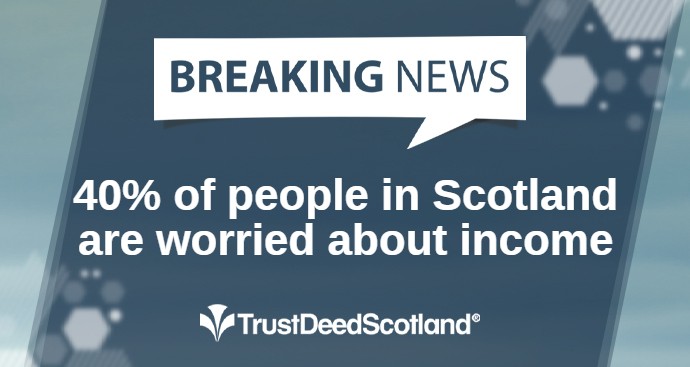
40% Of Scots Worried About Income Reports Citizens Advice Scotland

The research, carried out by the Diffley Partnership, found that 2 in 5 people of people in Scotland are concerned about their income during Coronavirus. As reported by Scottish Housing News, the research, commissioned by Citizens Advice Scotland, released to mark Talk Money Week 2020 in Scotland also found that:
  • 27% of people were concerned about utility bills
  • 24% were concerned about council tax payments
  • 25% were concerned about rent and 26% concerned about mortgage repayments
  • 23% were concerned about paying for food and essentials
  • 32% were concerned about debt repayments
The research concludes seven months of tracking attitudes by CAS and the Diffley Partnership and shows concerns around incomes have remained high and relatively static throughout the pandemic. It also reveals that while worries over expenditure dropped after the initial stages of lockdown, the latest figures show these worries are on the rise. CAS is warning that there must be no complacency from policymakers around supporting incomes and easing living costs and welcomed the move from the Chancellor to extend the furlough scheme.

Citizens Advice Scotland commented:

Myles Fitt, CAS financial health spokesperson, said: “It’s massively concerning that almost 2 in 5 people are worried about income a during the pandemic, it underlines yet again that this public health crisis is also an economic crisis that is hitting household budgets across the country. “Looking back at the seven months of tracking, we can take some heart that the initial levels of concern that were very high in each area have fallen, that suggest the fast action taken by policymakers, such as the furlough scheme, boosting Universal Credit, increasing the Scottish Welfare Fund and things like mortgage holidays have had an impact. However, the concern around income has remained high and we’re beginning to see concerns around bills increase. This is not the time for policy makers to be complacent, particularly with energy bills being the next problem as we head into winter, so we welcome the extension of the furlough scheme by the UK Government along with other payment support measures announced by a UK regulatory body. He added: “It is important for people to talk about any money worries they have, and the CAB network is here to listen and to help. In Talk Money Week, local Citizens Advice Bureau across Scotland stand ready to offer advice on managing money, paying bills and avoiding getting into debt.”

Diffley Partnership commented:

Mark Diffley, founder and director of Diffley Partnership, which carried out the research, commented: “Our polling with Citizens Advice Scotland has tracked the financial experiences of people since the COVID-19 pandemic struck in March. “While we have observed some decline since the beginning of the pandemic, it is clear that a significant number of people continue to face significant financial difficulties; this includes four in ten Scots (39 per cent) who are concerned about their income, while around a quarter are concerned specifically about being able to pay utility bills, rent and for food and essentials (27%, 25 % and 23% respectively). “We have observed throughout these waves of research, such financial concern is not spread equally the population. Of particular note, those in less affluent social class groups are clearly more likely to be experiencing financial difficulties, for example, 48% of those in social class groups C2,D and E are concerned about their income, a difference which is repeated across all issues in the survey. As the virus continues to cause a significant impact on the economy, so these findings are likely to continue, causing significant challenges for policymakers.”

Trust Deed Scotland commented:

Trust Deed Scotland, the No.1 rated company in Trustpilot‘s debt relief service category with over 3,000 reviews said: “We are not surprised that people across Scotland are worried about their income, we’re dealing with enquiries from all over the country and many of those have had their income reduced as a direct consequence of the pandemic. Our dedicated advice team have been advising on the risks and benefits of all the Scottish statutory debt solutions, including Minimal Asset Process as a route to bankruptcy, Trust Deeds and the Debt Arrangement Scheme over the duration of the Coronavirus pandemic and we expect to see a rise in enquiries as we move into the next year. We urge anyone who does have unaffordable debts to seek help and with it being Talk Money Week 2020 in Scotland and the rest of the UK, there are many organisations offering to help anyone who needs their support.” Our team can be reached on 0141 221 0999 or you can complete our Trust Deed Wizard.

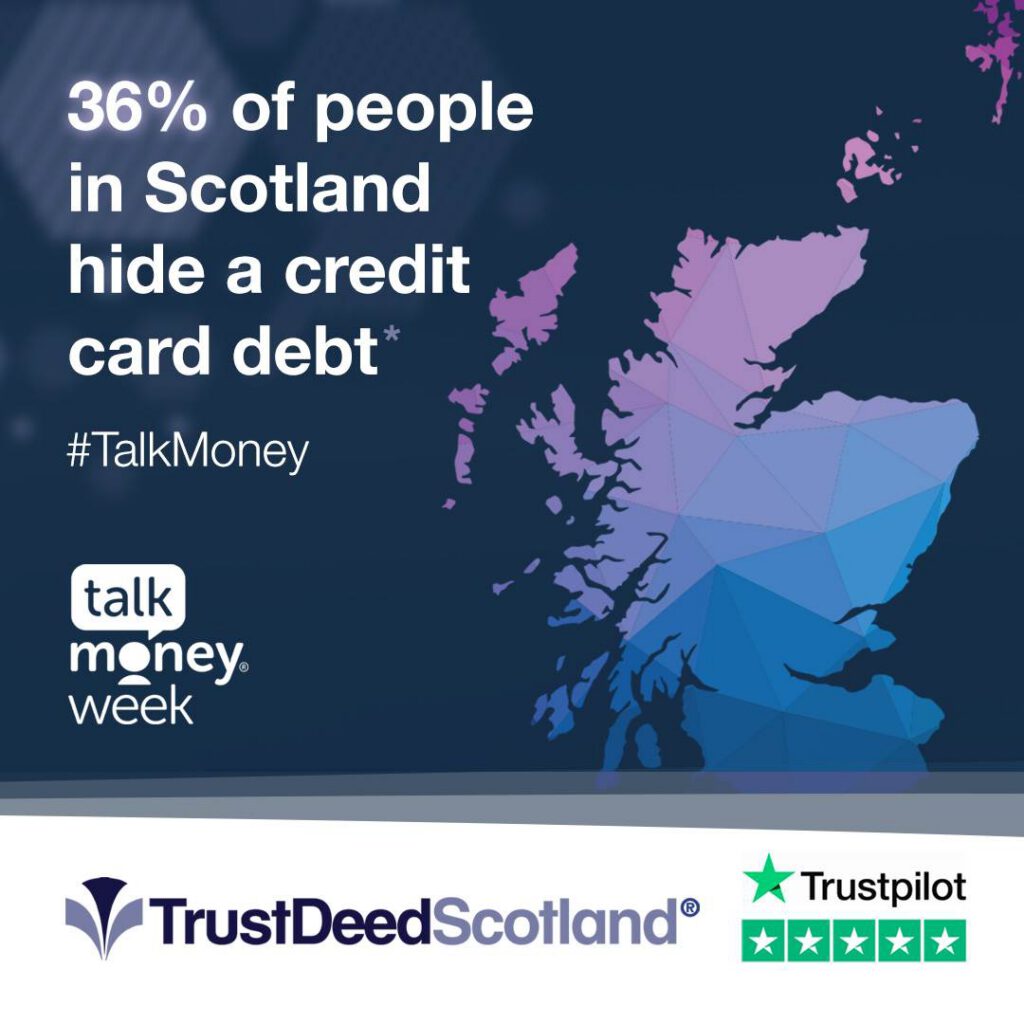
36% Of Scots With Hidden Credit Card Debts

A survey has shown that over 36% of the adult population has a hidden credit card debt. OVER 2 MILLION1 MONEY S£CR£TS KEPT FROM LOVED ONES IN SCOTLAND Research released by the Money and Pensions Service as part of Talk Money Week 2020 shows that 37% of people in Scotland have kept secrets from loved ones about credit cards, loans and savings • 37% of people in Scotland admit to keeping financial products secretPeople most likely to keep money secrets from their partner In the UK, millennials (25-34 year-olds) are the most secretive generation with three in five (59%) hiding money products Adults in Scotland have kept over 2 million2 financial products secret from their loved ones, according to a new study of people’s financial behaviours from the Money and Pensions Service (MaPS) to mark Talk Money Week. Of those who have kept financial products a secret in Scotland, the most common were hidden credit cards (36%). Despite Covid-19 having a widespread impact on people’s finances, the stigma surrounding talking about money in our culture remains – 36% of people in Scotland stay silent about money worries, with some of the reasons they give including embarrassment or fear of being judged. The research, which surveyed over 5,200 people across the UK, has been launched to mark the start of Talk Money Week (9-13 November), a public awareness campaign run by MaPS to improve financial wellbeing by encouraging people to open up about their finances, from pocket money through to pensions.

Hidden Credit Card Debts

Across the UK, 40% of people said they had secret financial products, with the most common products being:
  • Hidden credit cards (36%)
  • Undisclosed personal loans (23%)
  • Secret savings accounts (21%)
hidden credit card debts scotland UK millennials proved to be the most secretive generation, with 59% disclosing they have secret financial products, compared to just 25% of retirees. Of 25-34-year-olds who’d kept a product secret across the UK, credit cards, personal loans and overdrafts were most commonly hidden (by 40%, 31% and 23% respectively). The Talk Money Week study also revealed that across the UK people in relationships tend to underestimate the extent of money secrets their partner keeps from them. While 23% of people in relationships suspect their spouse has kept a money secret, hidden products were found to be even more common, with nearly half of those in relationships (45%) admitting to having an undisclosed money product. Some respondents told the researchers about secrets that became easier to manage once they opened up to their partners: one respondent claimed, “I was once close to bankruptcy due to credit cards and loans which I did not reveal to my partner until it couldn’t be hidden any longer. I admitted the issues eventually and we sorted it.” Another respondent said: “I didn’t tell my husband when I lost control of our credit card debt and ended up juggling cards and minimum payments. Eventually, I admitted it to him and actually acknowledged the amount of debt I now had – he supported me to get onto a Debt Payment Plan which I have been paying for just over a year now, and we are far more financially stable. We made a choice as a couple to no longer use credit. We also now have a joint account as our main account and only our agreed personal budget for minor expenses which is transferred out to our personal accounts.” Allison Barnes, Scotland Manager for the Money and Pensions Service said: “With over 2 million people in Scotland admitting they keep money secrets from loved ones, we are encouraging everyone across Scotland to open up and talk about any money worries you may have during Talk Money Week this week. “However, we understand there could be a number of reasons why people keep money secrets from those closest to them; a secret savings account could act as a buffer for those who want to escape a difficult relationship or an unpaid bill could be kept under wraps in order to protect anxious family members. For many who keep money secrets, it can be a feeling of shame or embarrassment that debts have spiralled out of control. 36% of people in Scotland claim to have money worries and initiating a conversation with someone – a friend, family member or expert – can be a first step to start to mitigate and address the problem. Opening up is a valuable start to making problems more manageable, for the benefit of our health, relationships and overall wellbeing. There’s no better time to start talking than today and the Talk Money Week website offers guidance to help start conversations and prepare yourself ahead of these. You are not alone and as our research shows in Scotland there are many others hiding secrets about money; there are resources available to help tackle some of these secrets including debt advice, as well as money and pensions guidance. Jasmine Birtles, TV money expert and Talk Money Week supporter, said: “Talking about money is still off-limits for a lot of people in the UK. Although we’re happy to talk about all sorts of subjects that used to be off-limits, if you ask someone about their income or investments they clam up. Talking about money really does seem to be the last taboo, despite it being something which is on everyone’s mind. In fact, it’s especially helpful to talk about it now, given the impact the pandemic has had on many people’s finances. It’s particularly important when times are uncertain to talk about money with those closest to us, so we can work together towards a common goal and support each other’s progress. If that’s not an option, you can turn to organisations like the Money and Pensions Service, who have trained specialists who give free, non-judgemental and impartial guidance.” MaPS has a wide range of resources to help people improve their financial wellbeing, starting with a conversation, during Talk Money Week and beyond. Guides to talking about money For guidance on kick-starting conversations about money, see the Money Advice Service’s guides: • Read their guide on Talking to your partner about money • Download their guide on how to talk about money. Take action to work through your money worries Money Navigator is a simple tool which helps people navigate their finances in the wake of Covid-19 to find a way forward, get money support now and help avoid future debt problems. Getting expert support To speak to an impartial expert for free guidance about your money and pensions, visit the following websites and helplines. Money Advice Service  0800 138 7777 Pensions Advisory Service   0800 011 3797 Pension Wise  0800 138 3944 Contact Trust Deed Scotland on 0141 221 0999 for tailored Scottish debt help. If your partner is controlling your money or running up debts in your name, you can find further resources and support on the Money Advice Service website. The research was conducted by Opinium for the Money and Pensions Service. A nationally representative survey of 5,225 UK adults aged 18+ was conducted from 9th – 19th October 2020, of which 440 were from Scotland. The data has been weighted to a nationally representative profile. 1. There are over 5,463,300 million people over 18 (the age you can apply for credit) in Scotland (ONS). The research found that 37% admit to keeping a financial product a secret from family and friends, equating to 2,021,421 people. 2. There are over 5,463,300 million people over 18 (the age you can apply for credit) in Scotland (ONS). The research found that 37% admit to keeping a financial product a secret from family and friends, equating to 2,021,421 products.

About Talk Money Week

Talk Money Week is an annual public awareness campaign, run by the Money and Pensions Service, to get the nation having conversations about money. Talking about finances has been shown to help people make better informed and less risky financial decisions, feel less stressed or anxious and more in control, have stronger personal relationships and help their children form good lifetime money habits. Talk Money Week will take place from 9-13 November 2020.

About Trust Deed Scotland®

Trust Deed Scotland® have helped over [volume] people in Scotland since 2009. Specialising in Trust Deeds and the Debt Arrangement Scheme as two formal debt solutions and advising on alternatives. Find out more about Trust Deed Scotland and get confidential, non-judgemental advice today by calling 0141 221 0999.

What is Financial Abuse?

Financial abuse is also known interchangeably as economic abuse and both are a form of coercive control. Like other forms of domestic abuse, it is feared that financial abuse may have increased during the recent Coronavirus pandemic restrictions and was a recent theme covered during Talk Money Week 2020.

What is financial abuse?

Financial abuse can be described as the control that one person holds over another economically. While financial abuse is most frequently committed by a partner – a family member or other party known to the victim can use coercive control in this way. Examples of financial abuse include:
  • Forcing the victim to take out credit in their name
  • Removing access to household/joint finances
  • Controlling employment earnings and benefit entitlement
Many victims of physical, sexual and emotional abuse are likely to also be suffering financial abuse. Coercive control extends beyond separation and financial abuse may begin, continue or escalate post-seperation. This can then become a factor in returning to the abuser.

What is economic abuse?

Similar to financial abuse, this can be committed by a partner or any other controlling party. Economic abuse is wider in its definition than financial abuse, as it can also include restricting access to essential resources such as food, clothing or transport, and denying the means to improve a person’s economic status e.g, through employment, education or training opportunities. The charity Surviving Economic Abuse describes it in the following way: “Economic abuse is designed to reinforce or create economic instability. In this way it limits women’s choices and ability to access safety. Lack of access to economic resources can result in women staying with abusive men for longer and experiencing more harm as a result.” Examples of economic abuse include:
  • Stopping the victim from going to work
  • Taking the victim’s car keys
  • Destroying the victims mobile phone and SIM card

How many people are affected by financial abuse?

Research from the domestic violence charity Women’s Aid shows that 20% of UK women experienced financial abuse and over 17% of UK men have experienced financial abuse in either a current or past relationship. According to Surviving Economic Abuse, a third of victim-survivors do not tell anyone about financial abuse: those that do are most likely to tell a friend or family member. The charity also reported that only 40% of those who experience financial abuse recognise this from the outset of the relationship. Women’s Aid also reported in 2019 that just under half of survivors of abuse who have children said they did not have enough money to pay for essentials for the children. This in itself increases the likeliness that a victim may then build up an unaffordable debt of their own post-relationship. Six in ten successful prosecutions of the offence of coercive or controlling behaviour involve at least one form of economic abuse Six in ten victim-survivors of coercive control have been coerced into taking out debt which can take many years to repay and impacts credit ratings. Also referred to as coerced debt.

What’s being done about this?

From 2017 onwards, members of the Building Societies Association have committed to improving outcomes for their customers in vulnerable circumstances, including providing further support to victims of financial abuse as per the Financial Services Vulnerability Taskforce recommendations. The Scottish parliament passed a new Domestic Abuse Act in February 2018 which recognised victims of financial abuse. This has latterly been updated from April 2019. Police Scotland and the Crown Office and Procurator Fiscal Service (COPFS) have a shared definition of domestic abuse which is: “Any form of physical, verbal, sexual, psychological or financial abuse which might amount to criminal conduct and which takes place within the context of a relationship. The relationship will be between partners (married, cohabiting, civil partnership or otherwise) or ex-partners. The abuse may be committed in the home or elsewhere including online”. You can either contact Police Scotland and report it or see below for other organisations that can help.

Where can I get help?

Everyone has the right to financial independence. If your partner or someone else you know is running up debts in your name, it’s financial abuse. There’s no need to struggle on alone. There are many support groups available to give you advice and guidance. Women can call the National Domestic Abuse Freephone helpline on 0808 2000 247 and for men, they can call the Men’s Advice Line on 0808 801 0327 Scottish Women’s Aid and LGBT domestic abuse in Scotland are excellent support group websites and Abused Men in Scotland also. The Scottish government have dedicated domestic violence support hubs for female victims and male victims. If you or your children are in immediate danger, call the police on 999. If you can’t talk, call 999 followed by 55 to indicate you need help, but can’t talk.

About Trust Deed Scotland®

Trust Deed Scotland® have helped over [volume] people in Scotland become debt free since 2009. Specialising in Trust Deeds and the Debt Arrangement Scheme as two formal debt solutions and advising on alternatives, over 97% of [reviews] people have rated us 5/5 on Trustpilot. Find out more about Trust Deed Scotland and get confidential, non-judgemental advice today by calling 0141 221 0999.

What Is Debtember?

#Debtember is a campaign message run by the Money Advice Hub. In any typical year, December is often a tough month for people with unaffordable debts in Scotland, a month that creates extra pressure for households to spend money on Christmas gifts. With 2020 being an exceptional year, with us being in the middle of a pandemic, many money advisory groups and debt charities are concerned about those who are already living with unaffordable debt at this time of year ending up in a worse position in 2021 and beyond. Added to this are fears around the increase in both the usage and promotion of buy now, pay later loan arrangements offered by the likes of Klarna, Clearpay and Paypal with increased online shopping activity overall leading to more impulse purchases. The Money and Mental Health Policy Institute said: “Online retail can be a lifeline for people living with mental health problems who may struggle to leave the house, especially during the pandemic. But pushy sites and tempting buy now, pay later offers can cause people to spend more than they can afford, risking both their financial and mental health.” Britons collectively spend up to £1bn every month on impulse buys, according to a survey last year by 118 118 Money. While mental health, mood and personality all play a role in that, consumer psychology is increasingly being used to shape our choices online reports the Guardian. If you are struggling to repay your debts, we would advise you to seek help as soon as possible. However, the #Debtember guide is a really useful starting point to help you consider what your options are before you explore more formal debt solutions in Scotland such as Trust Deeds and the Debt Arrangement Scheme.

Stage 1: Explain your financial situation

  • Start with your personal household details.
  • The types of debt, how & when they started?
  • Any emergency debts you have?
  • Let your creditors know you are getting help.

Stage 2: Draw up a detailed budget

  • Check your income less essential living costs.
  • Identify any priority debt you must pay.
  • Discuss budgeting & income maximisation tips.
  • Consider any essential assets you own.

Stage 3: Find out your debt options

  • Discuss any entitlement to charitable help.
  • Check your liability for debt.
  • Compare formal & informal debt solutions.
  • Confirm any eligibility criteria.

Stage 4: Choose a suitable debt solution

  • Consider any application fees involved.
  • Do you need to protect any essential assets?
  • How long will the debt solution last?
  • Pick an affordable, maintainable debt solution.

Stage 5: Organise your future finances

  • Make sure you have a basic, safe bank account.
  • Set up any debt repayments you need to make.
  • Plan for future life events affecting your money.
  • Think about budgeting & savings longer term.

#Debtember response

Trust Deed Scotland® said: “We think that following the #Debtember guide is a worthwhile exercise for anyone who feels that they are troubled by debt. Should an individual be able to follow this guide and resolve their finances with their creditors by themselves, then we welcome that. If anyone doesn’t feel like they are able to face their debts alone, we would advise them that we’re here for them and that they shouldn’t hesitate to get in touch with us should they have any concerns over their debts. The worse thing that anyone with unaffordable debts can do is to ignore them.” You can get more information on #Debtember by following the #Debtember hashtag on Twitter, Instagram and Facebook. Check the Money Advice Hub website for more information also. Money Advice Hub is a not for profit community interest company providing free debt advice and other related advice topics.

New Year, New You?

Making a New Year’s resolution to do something about your debt may seem like an excellent starting point. However, if you have unaffordable debts then you really should weigh up any perceived advantages of waiting for a few weeks, versus the actual advantages of asking for help sooner. In recent radio awareness campaigns, we’ve previously said that ‘If you do something about your debt today, you can stop worrying about it tomorrow.’ Depending on the severity of your situation and the potential action that may have already begun against you, perhaps this wait is too long for you. Are there any pending wage arrestments for example? Or, perhaps you have fallen behind on a few bills which can be resolved amicably with your creditors before any such action takes place.

Get help with unaffordable debts today

You can get Scottish debt advice today by calling Trust Deed Scotland® on 0141 221 0999 or by completing our Trust Deed Wizard® form. Our experienced advisors give friendly, confidential and non-judgemental debt advice that covers the advantages and disadvantages of all formal debt solutions open to Scottish residents. Over 98% of reviewers gave Trust Deed Scotland® a rating of 5/5 on Trustpilot, based on over [reviews] reviews. Since 2009, we’ve advised over [volume] people in Scotland to manage their debt and take their first step towards a brighter future..

Low And Grow DAS

As the country continued to cope in the wake of the Covid pandemic, many people needed to deal with the impact of debt. The Debt Arrangement Scheme (DAS) is a formal debt solution in Scotland that has seen significant growth in the last decade Such has the growth in the use of the Debt Arrangement Scheme been in Scotland, that the number of people using the solution grew 18% in 2020 against 2019, according to official Scottish government statistics. Under existing affordability rules, the solution can only be put in place if an individual has the ability to be able to make regular repayments from their income. From 11 January 2021, it was possible for those struggling with unmanageable debt as a result of a loss of income due to the pandemic, to make minimum or token payments through DAS with a view to increasing them when their income returned to a normal level.

What was a Low and Grow DAS?

Low and Grow Debt Payment Plans, or Low and Grow DAS as they are also referred to, were a tool developed during Covid times to help people with unaffordable debts in Scotland. For many Scottish residents, they provided vital breathing space and a welcome opportunity to take control of household finances. The first few months of the year are typically the time of year when more people need help with their unaffordable debts. UK government figures showed that after the first lockdown, over 700,000 Scots had been furloughed under the UK job retention scheme “furlough” with many households struggling with debt, the then-created Low and Grow debt payment plan was intended to welcome relief to those who are in a position to repay their debt over a longer period of time but require a short term solution in the intermediate period before their regular income returns to normal. When a person repays their debts through DAS, interest and contractual charges are frozen. DAS lifts wage arrestments; stops court action including Sequestration (bankruptcy in Scotland) and requires one monthly payment that is distributed to all creditors on their behalf. You can find out more the advantages and disadvantages of the Debt Arrangement Scheme and alternative formal solutions such as Trust Deeds by calling Trust Deed Scotland on 0141 221 0999. Jamie Hepburn, Minister for Business, Fair Work and Skills said at the time: “I am acutely aware of the impact that the pandemic and necessary restrictions are having on household finances. In this uncertain time, I would encourage anyone experiencing problems with debt to seek advice as soon as they can. “DAS is an enormously valuable tool to help manage problem debt and the Scottish Government has worked closely with the advice sector and other stakeholders to introduce greater flexibility in the operation of the scheme to assist those impacted by the pandemic.” Speaking back in 2021, Trust Deed Scotland® said: “Getting early, tailored debt advice remains crucial as the country continues to cope with the pandemic. Every day we speak to people who are feeling overwhelmed by the challenges of lockdown, homeschooling, poor mental health, caring for elderly relatives, reduced income and many are feeling overwhelmed with their debt. Many of those individuals have had a sudden change in their circumstances and are prevented from repaying their debts due to a short term inability to make repayments. That short term problem can sometimes lead to a situation where the person can never catch up and a debt solution is required. We welcome the newly created Low and Grow debt payment plan and urge people struggling with problem debt to seek debt help now.”

Debt Payment Programmes under the Debt Arrangement Scheme vs. Minimal Asset Process

Minimal Asset Process (MAP) is a route into Sequestration (bankruptcy) aimed at individuals who have no, or little assets and who also have little, or no income. DAS is not insolvency, it is the only statutory debt management plan in the UK. In order to find out which option suits an individual better, it is essential to seek advice before making a decision. Both solutions, in addition to Trust Deeds, are effective ways of formally dealing with unaffordable debts. While it’s true that many people currently furloughed, or claiming Universal Credit may loosely qualify for both, a clear understanding of your personal circumstances, assets, future ability to repay debts, and/or desire to rebuild a credit rating need to be correctly assessed. Bankruptcy has always carried the greatest stigma and many people that we’ve spoken to over the years have struggled on for years to avoid being made bankrupt but the reality is that in the right situation, the Minimal Asset Process route and Full Administration Sequestration are effective tools that have helped thousands of people rebuild their lives through the years.

DAS or MAP

If you are struggling to repay your debt and feel that MAP is too severe, or a formal debt solution like DAS, Trust Deeds doesn’t seem like an arrangement that you want to consider, there are other tools that you can explore in the short term, including a Statutory Moratorium.

Statutory Moratorium Scotland

If you are worried that you may be at risk of Sheriff Officers taking action against you, a Statutory Moratorium (Scotland) is a legal instrument that you can use to protect yourself. Statutory Moratoriums also protect you from creditors making an application for you to be Sequestrated. The Statutory Moratorium gives you 6 months of protection from a Sheriff Officer taking action against you, such as arresting your bank account or freezing your income. If you are worried a Sheriff Officer may freeze your bank accounts, or arrest your wages, then a Statutory Moratorium may be suitable for you. It can also stop possessions like cars, or any other valued asset item, being attached. The process is designed to allow breathing space for anyone struggling with their debts, so they can consider their options, regardless of whether those options are the Debt Arrangement Scheme, a Trust Deed or Bankruptcy (Sequestration). Essentially, a Statutory Moratorium can be used to buy you time, until the pandemic is over so that you can review your options at a later date when you have more information on your future ability to pay. However, bear in mind that a Statutory Moratorium is not a long-term solution.

Payment Breaks and Tailored Support

You may be able to apply for payment breaks directly with your lenders, at their discretion. This will generally give you three months of payment breaks per application, this process becomes known as Tailored Support. Tailored Support apply to a range of products from credit cards and loans to mortgages and car finances. Applying for a payment break under tailored support will most likely impact your credit rating to some extent. As Tailored Support is more ambiguous in its definition, it’s down to your lender to advise on what they can offer you including a (further) payment deferral a (further) period of reduced payments, waiving or reducing interest, agreeing on a repayment plan and/or refinancing your credit agreement.

Advice on your options

To find out more about managing your money and getting free advice, visit Money Helper, an independent service set up to help people manage their money. Trust Deed Scotland® can give you advice on DAS but also advice on applying for a Statutory Moratorium and our experienced team, offer debt advice that is…
  • Non-Judgemental – Our friendly, helpful team want to help find a solution that suits your needs.
  • Confidential – We do not share your details with any other companies. Your data is safe and secure.
  • Experienced – [volume] people helped and over [reviews] five-star reviews on Trustpilot.
  • Tailored – Pros and cons of all formal solutions explained.

Apply for a formal debt solution

You can find out more about applying for a formal debt solution by using our online form, or by calling us on 0141 221 0999. Our experienced debt advisors provide tailored debt advice outlining the risks and benefits of the Debt Arrangement Scheme and other formal Scottish debt solutions including Protected Trust Deeds and Sequestration.

Demand for debt advice to increase by up to 60% in 2021

The Money and Pensions Service expects the demand for debt advice to increase by up to 60% by the end of 2021 and this is likely to lead to an increase in the need for debt relief. In August 2020 Citizens Advice estimated that 6 million UK adults have fallen behind on at least one household bill during the pandemic, with 20% of those who have fallen behind on their bills unable to afford household essentials. An estimated 3,000,000 more people than before the pandemic will need support with problem debt by the end of 2021. As a result, proposals have been outlined by the UK government to increase the financial eligibility criteria for Debt Relief Orders (DROs) – the English, Welsh and North Irish equivalent of the Scottish Minimal Asset Process route to bankruptcy. (MAP) A DRO/MAP is a route into bankruptcy (Sequestration in Scotland) for people who have problem debt and who also have a low income, with little or no assets. The aim of the proposed changes is to help more people deal with financial difficulties and to achieve a fresh start. The UK government is publicly consulting on changing the eligibility criteria to enter into a DRO to:
  • Increase the total amount of debt allowable to £30,000 (from £20,000)
  • Increase the value of assets owned by the individual to £2,000 (from £1,000)
  • Increase the level of surplus income to £100 (from £50) per month
NOTE: For more information on how the Minimal Asset Process route to Sequestration works, please read our MAP guide. Kwasi Kwarteng, Business Secretary said: “Suffering from financial difficulties places a huge amount of stress on people’s mental health and wellbeing, which is why we are committed to giving more people who are struggling with debt a chance for a fresh start. Debt Relief Orders are a valuable tool for supporting vulnerable people to get to grips with their problem debts. Our plans to increase the eligibility criteria will mean many thousands more could benefit from this help.” Trust Deed Scotland® further advised: “Many people in the rest of the UK stand to benefit from the proposed changes, at a time when they are most needed, especially as it’s likely that the additional £20 per week payment made available via Universal Credit will be discontinued. In Scotland, thanks to changes already passed as part of the Coronavirus Bill in 2020, MAP application fees had already been reduced or waived for people with the lowest incomes and the qualifying debt ceiling limit has also increased. However, thanks to additional Statutory Moratorium support that was also passed as legislation in 2020, and more recently, we now also have the option to offer a Low and Grow payment plans in Scotland. Find out more about What is a Statutory Moratorium. The Low and Grow DAS process allow individuals to make minimum or token payments through DAS with a view to increasing them when their income returns to a normal level. We are hopeful that for people struggling with debt throughout the rest of the UK, they too can benefit from the proposed changes should Payment Breaks and Tailored Support offered by creditors not be enough to resolve their finances difficulties.” If you are experiencing financial difficulties and are also affected by a drop in your regular income, you can find out more about your options including Statutory Moratoriums, MAP and Low and Grow DAS by calling our advice team on 0141 221 0999. Alternatively, if you are experiencing financial difficulties but continue to receive a regular income, you can find out more about Trust Deeds, and the Debt Arrangement Scheme which allows you to manage your unaffordable debt by significantly reducing your monthly creditor payment obligations, freezing your interest and charges and reducing creditor contact.

Can I apply for MAP?

To apply for Minimal Asset Process Sequestration, you must meet the following conditions:
  • You must owe a total debt of at least £1,500.
  • You must not owe more than £25,000 (This may / may not revert back to £17,000 after March 31 2021).
  • You do not own a single asset worth over £1,000 (this excludes a vehicle which does not exceed £3,000 and is reasonably required).
  • The total value of assets does not exceed £2,000.
  • You must have received advice from an Approved Money Adviser.
  • You must be living in Scotland or have lived in Scotland within the last 12 months.
  • You must not have been made bankrupt in the last five years.
  • You must not have been made bankrupt through the Minimal Asset Process within the last 10 years.
  • You must pay the reduced application fee of £50 to the AiB (This may / may not continue to be reduced/waived after March 31 2021).
  • You must have a certificate for sequestration signed by an authorised person
  • You must have been in receipt of benefits only, for the last six months; or
  • A money adviser has assessed your income and expenditure using the common financial tool and you have no surplus to pay a debtor’s contribution.
  • You do not own any land or property.

About Trust Deed Scotland®

Our experienced debt advice team have helped over [volume] people in Scotland get their finances back on track. As well as advice on MAP, we offer formal Scottish debt solutions such as Protected Trust Deeds and the Debt Arrangement Scheme. With over [reviews] 5/5 reviews, we’re rated No.1 in Trustpilot’s debt relief service category. Call us on 0141 221 0999 for friendly, non-judgemental debt advice or complete our Trust Deed Wizard tool today.  

Council Tax Arrears Statistics Released by Citizens Advice

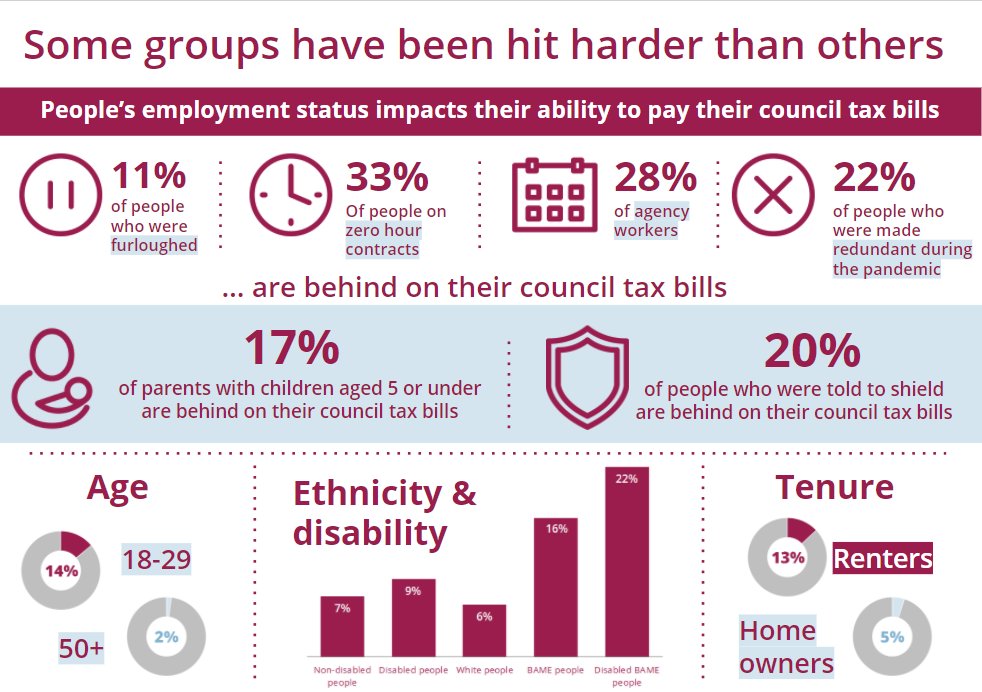
Over 3,500,000 people in the UK now have council tax arrears debt, with an average of £800 council tax arrears, reports Citizens Advice* Founded in 1939, Citizens Advice is a network of 316 independent charities throughout the UK guided by four principles: A free service, Confidentiality, Impartiality and Independence. The unavoidable debt report published by Benedict Guindi and Tilly Cook of Citizens Advice said that the pandemic and the restrictions put in place to control it, have had a dramatic impact on household finances with many people have been made redundant, furloughed, become too ill to work or have taken time off to care for a loved one. Some groups identified as being most affected by council tax arrears included:
  • 11% of people who were furloughed
  • 33% of people on zero-hour contracts
  • 28% of agency workers
  • 22% of people who were made redundant during the pandemic
  • 16% of people of BAME
  • 22% of people of BAME and with a disability.
  • 17% of parents with children aged 5 or under are behind with council tax arrears debt
  • 20% of people who were told to shield are behind with council tax arrears debt.
  • 14% of people aged 18-29 are behind on their council tax
  • 13% of renters and 5% of homeowners indicated that they had accumulated council tax arrears debt.
As a result of the findings of their data, Citizens Advice said: “On average, the people we help with council tax debt have just £20 left after covering essential living costs to pay off debts. 40% have a negative budget, meaning their income doesn’t cover their living costs. People are often forced to make trade offs between repaying their debts and covering essential living costs. During the pandemic, 17% of people with council tax arrears were unable to afford food in comparison to 3% of the total population.” “Councils should prioritise writing off the debts of those who are struggling the most financially, such as those in receipt of Local Council Tax Support and people receiving benefits. There were existing problems with the way council tax is collected before the pandemic hit. The way the regulations are designed makes it harder for people with council tax arrears to arrange and make repayments. The Ministry for Housing, Communities and Local Government should use secondary legislation to amend the Council Tax (Administration and Enforcement) regulations to:
  • Stop people being liable for their entire annual bill if they miss 1 monthly payment.
  • Make it easier for councils to improve collection by giving them more powers to collect debt in a fair way without getting a liability order first.
  • Set out more steps councils must take before using the court process.
This would ensure that all people in debt are given the option of affordable repayments to get back on track.”
Citizens Advice - Council Tax Arrears Stats
The infographic image above was taken from Citizens Advice unavoidable debt report and remains © of Citizens Advice.

Council Tax Arrears Debt in Scotland

As reported in the Glasgow Herald in early January, Citizens Advice Scotland warned of a potential Council Tax explosion, with CAS financial health spokesman Myles Fitt saying: “Scotland is potentially facing an explosion of council tax debt in 2021. The figures before the pandemic are bad enough, but the real fear is that Covid-19 is going to make matters much worse. Councils across Scotland showed a real empathetic approach to those who found themselves in council tax payment difficulties, and the payment breaks in the first six months of the pandemic were extremely welcome. However, this has led to arrears building up, arrears that will be difficult to meet for the many people who have during that period experienced an income drop due to unemployment or reduced working hours. “For others, this problem is yet to come in 2021 when the economic squeeze on personal finances is felt as the furlough scheme and payment support measures close at the end of April, ironically in the same month the first payments of council tax in the new financial year are due.” CAS is calling on people to make use of the Scottish Government’s council tax reduction scheme which can help reduce future payments. For some people, it can also offer a backdate of up to six months. Contact your local authority for more information. All local authorities should have information on their website including: Glasgow council Edinburgh council Aberdeen city council North Lanarkshire council South Lanarkshire council Highland council East Ayrshire council North Ayrshire council South Ayrshire council Trust Deed Scotland® said “Falling behind on priority debts such as council tax can have the severest of consequences. Council tax arrears enforcement action can escalate quickly when there is non-payment of council tax with Sheriff Officers being used to collect outstanding council tax arrears debt with enforcement action such as wage arrestments being used as a last resort to collect outstanding monies. We’re thankful that Citizens Advice have highlighted these groups that they have identified as being most at risk of developing problems with their council tax and we offer tailored debt advice to anyone who is struggling with unaffordable debts, whether they have council tax arrears debt or other types of unsecured debts such as credit cards and loans. As well as being able to provide formal, statutory solutions such as Protected Trust Deeds and the Debt Arrangement Scheme, we can also provide some breathing space for our clients who need more time to think about the best solution for their problem debt by using a Statutory Moratorium.”

Help with unaffordable debt in Scotland

To find out more about managing your money and getting free advice, visit Money Helper, an independent service set up to help people manage their money. Citizens Advice Scotland (0800 028 1456) can give you free, impartial debt advice alongside other money charities including National Debtline (0808 808 4000). As well as formal debt solutions, The Trust Deed Scotland® team offer debt advice that is… Non-Judgemental – Our friendly, helpful team want to help find a solution that suits your needs. Confidential – We do not share your details with any other companies. Your data is safe and secure. Experienced – [volume] people helped and over [reviews] five-star reviews on Trustpilot. Tailored – Advantages and disadvantages of all formal solutions explained. You can find out more about how we can help you by using our Trust Deed Wizard, or by calling us on 0141 221 0999. Our experienced debt advisers provide tailored debt advice outlining the pros and cons of the Debt Arrangement Scheme and other formal Scottish debt solutions including Protected Trust Deeds and Sequestration. *Citizens Advice commissioned ICM unlimited to conduct a survey of a representative sample of 6,004 adults living in the UK. The survey took place between 12th and 25th November. The sample has been weighted by age, gender, region, social grade, work status and ethnicity to be representative of the UK adult population. The 3.5 million in arrears figure is based of 7% of the population being behind on their council tax bills. Then extrapolating this out to the UK adult population of 52.5 million

Rent Arrears Debt Warning by Resolution Foundation

Almost half a million people across the UK have fallen behind on rent or mortgage payments as a result of the coronavirus pandemic, reports the Resolution Foundation. The Resolution Foundation is a UK think-tank that is focused on improving the living standards of those on low-to-middle incomes. Founded in 2005, the Foundation’s established work programme includes incomes and inequality; jobs, skills and pay; housing, wealth and debt; tax and welfare; public finances and the economy. The study into rent arrears found that as many as 450,000 out of an estimated 750,000 people in arrears on housing payments and reporting on the findings, Lindsay Judge a Senior Research and Policy Analyst who leads on housing, advised that many families had suffered ‘huge hits’ to their household earnings and that few have savings to fall back on. 300,000 people are thought to have dependent children. “To make matters worse, measures that could ease the pressure, such as discretionary housing payments from local authorities and negotiated rent reductions from landlords, are not getting through to those that need them.” The Resolution Foundation added: “Both benefit cuts and the end of furlough are pencilled in for the spring, either of which will strain family incomes further. Likewise, unemployment looks set to rise, rather than fall, through 2021, potentially driving up arrears further still.” Trust Deed Scotland said “We speak to hundreds of people every month and most have voiced concerns about their unaffordable debts which typically include the likes of credit cards, catalogues and unsecured loan debt. However, with a number of people having been made redundant in the last year, or who are currently furloughed as part of the Job Retention Scheme – we’ve seen many instances of social and private tenants not being able to afford the repayment of their rent. While there is currently a ban on evictions in Scotland, we’re concerned about the longer-term impact to those individuals’ finances caused by building up rent arrears, as well as other debts, with no clear end in sight. As a result of this, many are falling into a cycle of debt where they are using credit to pay credit and incurring further debt to pay for general living expenses, including priority bills. If you are struggling with unaffordable debt and have dependent children – we also urge you to apply for the School Age Payment award of £250 before the deadline ends on 28th February. The one-off £250 Payment is currently open to families with a child born between 1 March 2015 and 29 February 2016. It can be used for anything from a warm coat to books and toys.”

Support for Scottish tenants with Rent Arrears Debt?

In Scotland, increased support for Scottish tenants in danger of developing rent arrears debt was introduced in December 2020 in the shape of a government-funded Tenant Hardship Loan Fund. The government have set aside £10m for the Tenant Hardship Loan Fund, which is an interest-free loan and is designed to help people who have had their finances or employment impacted by the coronavirus pandemic and do not have other means of housing support. Loans are available for private and social tenants up to a maximum of nine months’ rent costs covering rent arrears and future rent, where those arrears have arisen since 1 January 2020. However, the tenant hardship loan fund will not be available where a tenant had rent arrears before this date. The Tenant Hardship Loan can include up to a maximum of three months of future rent payments as part of the nine-month total. The lending arrangement provides an additional short-term offer that supports tenants to manage rent arrears and helps them to come back into paying their rent. Loan repayments under the tenant hardship loan scheme will be deferred for six months as standard and repaid over a five-year period. The Scottish Government hopes that this helps solve any issues with the continuing uncertainty around the impact of the Coronavirus pandemic. However, as part of the Scottish Government’s commitment to responsible lending, the Tenant Hardship Loan Fund offers will be subject to an affordability assessment. The affordability assessment looks at the applicant’s incomings and outgoings to check whether the applicant has enough surplus income, after other costs, to make the loan payments. Please note: Applications for the Tenant Hardship Loan Fund were discontinued for new applications in December 2021.

Can I include Rent Arrears Debt in a Trust Deed?

The legal position is that all rent arrears should be included in your Trust Deed. However, to avoid any issues with your landlord, especially if you are a private tenant, then you should take advice before considering entering into a Trust Deed whilst you have rent arrears.

Rent Arrears Debt and the Debt Arrangement Scheme

If you have build up rent arrears debt, you may be able to apply for a Debt Payment Programme (DPP) under the Debt Arrangement Scheme (DAS). A DPP, which is a formal debt solution, will give you time to pay off your rent arrears debt at a rate you can afford, and include all other unaffordable, unsecured debts that you are struggling to afford such as credit cards, unsecured loans and council tax arrears. In addition to being able to include your rent arrears debt and credit card debts or other debts that you owe – any interest and charges on those debts are legally frozen, and if you’re receiving distressing telephone calls, text messages and letters threatening you with visits from Sheriff Officers  – you can reduce and eventually stop this type of contact with an approved Debt Payment Programme. The Debt Arrangement Scheme has risks and benefits just like Protected Trust Deeds which have advantages and disadvantages. The Minimal Asset Process route to Sequestration may also be a suitable formal solution for people struggling with unaffordable debt. In order to find out what your options may be suitable for you, Trust Deed Scotland recommends talking to an experienced debt advisor and seeking tailored debt advice, based on your situation.

How to get Scottish Debt Advice today

If you’re worried about your finances and would like to take control of your unaffordable debt, you can contact Trust Deed Scotland on 0141 221 0999, or complete our Trust Deed Wizard tool for more information. As a leading provider of formal Scottish debt solutions including Trust Deeds, and the Debt Arrangement Scheme, our experienced debt advice team are able to work with you and offer tailored debt advice that puts you at the heart of the decision-making process.