You might find yourself feeling worried about the spread of Coronavirus and its impact on you and your loved ones. The undetermined length of time that Covid-19 will be upon us. Sensationalised headlines and what seems like endless wrangles of red tape getting the help that you need with your finances. These feelings are normal and it’s important that we acknowledge them and remind each other to look after our physical and mental health. We’re having to spend more time at home, perhaps isolated from our friends, family and other relationships that we know are vital to keeping ourselves mentally healthy. It may also be harder for us to do the things that normally help keep us well. And, for those with either new or existing issues with finances – while it’s true that most credit card and loan lenders are being more lenient, calls are still being made by creditors and their debt collection agencies; letters are being triggered automatically on default of payments. During the Coronavirus lockdown, we are entitled to one form of outdoor exercise per day – walking, running or cycling. However, some parks around Scotland have been closed to stop people congregating – really we should be avoiding going out at all, where possible. The NHS has published a list of Gym-Free exercises to help. Here is the Trust Deed Scotland® list of recommendations for home-based Coronavirus exercises. 1. Yoga Doing yoga on a regular basis can be extremely beneficial for your flexibility, help you boost your strength and improve your overall fitness. If you would like to practise your downward dog in your living room with the help of an instructor, you can do so by joining in CorePower Yoga’s live classes. 2. Dancing Seen On Screen offer dancers of all levels the chance to learn routines inspired by stars including Beyoncé, Rihanna and Britney Spears by Zoom. Check out their Instagram account for more information 3. Cardio Barry’s UK, the fitness studio famed for pushing its participants to the physical limit, has brought its intense workouts to Instagram live. Find out more about the Peloton app on Apple and Android – High-intensity workout classes and it’s a free trial for 90 days. Don’t forget to set a reminder to cancel the trial! 4. Boxing You can also investigate Boxercise and similar exercise being streamed to your home; however, while its not strictly a Boxercise, you can do no wrong by checking out Heavyweight champion Tyson Fury’s workout. Many other celebrities from the sporting community are helping to keep the nation fit with similar videos, so keep an eye out for these as well. 5. Martial Arts By burning calories and toning muscles, martial arts help you lose weight and maintain healthy body weight. Stamina. Since martial arts provide a full-body workout, they increase overall stamina and endurance. Tai chi is a particular favourite of the Trust Deed Scotland® team, also called tai chi chuan, combines deep breathing and relaxation with flowing movements. Originally developed as a martial art in 13th-century China, tai chi is now practised around the world as a health-promoting exercise. Studies have shown that tai chi can help people aged 65 and over to reduce stress, improve posture, balance and general mobility, and increase muscle strength in the legs – making it ideal for our older Scottish citizens self-isolating to also join in.
Debt And Mental Wellbeing
NOTE: Whilst the following article was written during the height of the Coronavirus pandemic, most of the advice remains true. More recently, the cost of living crisis has resulted in a need for many of the same type of information, albeit with more budgetary reasons. See coping with the cost of living crisis for more relevant information, tips & advice.
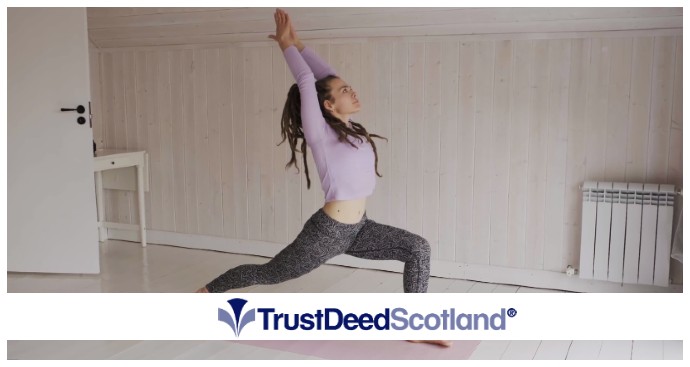
You might find yourself feeling worried about the spread of Coronavirus and its impact on you and your loved ones. The undetermined length of time that Covid-19 will be upon us. Sensationalised headlines and what seems like endless wrangles of red tape getting the help that you need with your finances. These feelings are normal and it’s important that we acknowledge them and remind each other to look after our physical and mental health. We’re having to spend more time at home, perhaps isolated from our friends, family and other relationships that we know are vital to keeping ourselves mentally healthy. It may also be harder for us to do the things that normally help keep us well. And, for those with either new or existing issues with finances – while it’s true that most credit card and loan lenders are being more lenient, calls are still being made by creditors and their debt collection agencies; letters are being triggered automatically on default of payments. During the Coronavirus lockdown, we are entitled to one form of outdoor exercise per day – walking, running or cycling. However, some parks around Scotland have been closed to stop people congregating – really we should be avoiding going out at all, where possible. The NHS has published a list of Gym-Free exercises to help. Here is the Trust Deed Scotland® list of recommendations for home-based Coronavirus exercises. 1. Yoga Doing yoga on a regular basis can be extremely beneficial for your flexibility, help you boost your strength and improve your overall fitness. If you would like to practise your downward dog in your living room with the help of an instructor, you can do so by joining in CorePower Yoga’s live classes. 2. Dancing Seen On Screen offer dancers of all levels the chance to learn routines inspired by stars including Beyoncé, Rihanna and Britney Spears by Zoom. Check out their Instagram account for more information 3. Cardio Barry’s UK, the fitness studio famed for pushing its participants to the physical limit, has brought its intense workouts to Instagram live. Find out more about the Peloton app on Apple and Android – High-intensity workout classes and it’s a free trial for 90 days. Don’t forget to set a reminder to cancel the trial! 4. Boxing You can also investigate Boxercise and similar exercise being streamed to your home; however, while its not strictly a Boxercise, you can do no wrong by checking out Heavyweight champion Tyson Fury’s workout. Many other celebrities from the sporting community are helping to keep the nation fit with similar videos, so keep an eye out for these as well. 5. Martial Arts By burning calories and toning muscles, martial arts help you lose weight and maintain healthy body weight. Stamina. Since martial arts provide a full-body workout, they increase overall stamina and endurance. Tai chi is a particular favourite of the Trust Deed Scotland® team, also called tai chi chuan, combines deep breathing and relaxation with flowing movements. Originally developed as a martial art in 13th-century China, tai chi is now practised around the world as a health-promoting exercise. Studies have shown that tai chi can help people aged 65 and over to reduce stress, improve posture, balance and general mobility, and increase muscle strength in the legs – making it ideal for our older Scottish citizens self-isolating to also join in.
You might find yourself feeling worried about the spread of Coronavirus and its impact on you and your loved ones. The undetermined length of time that Covid-19 will be upon us. Sensationalised headlines and what seems like endless wrangles of red tape getting the help that you need with your finances. These feelings are normal and it’s important that we acknowledge them and remind each other to look after our physical and mental health. We’re having to spend more time at home, perhaps isolated from our friends, family and other relationships that we know are vital to keeping ourselves mentally healthy. It may also be harder for us to do the things that normally help keep us well. And, for those with either new or existing issues with finances – while it’s true that most credit card and loan lenders are being more lenient, calls are still being made by creditors and their debt collection agencies; letters are being triggered automatically on default of payments. During the Coronavirus lockdown, we are entitled to one form of outdoor exercise per day – walking, running or cycling. However, some parks around Scotland have been closed to stop people congregating – really we should be avoiding going out at all, where possible. The NHS has published a list of Gym-Free exercises to help. Here is the Trust Deed Scotland® list of recommendations for home-based Coronavirus exercises. 1. Yoga Doing yoga on a regular basis can be extremely beneficial for your flexibility, help you boost your strength and improve your overall fitness. If you would like to practise your downward dog in your living room with the help of an instructor, you can do so by joining in CorePower Yoga’s live classes. 2. Dancing Seen On Screen offer dancers of all levels the chance to learn routines inspired by stars including Beyoncé, Rihanna and Britney Spears by Zoom. Check out their Instagram account for more information 3. Cardio Barry’s UK, the fitness studio famed for pushing its participants to the physical limit, has brought its intense workouts to Instagram live. Find out more about the Peloton app on Apple and Android – High-intensity workout classes and it’s a free trial for 90 days. Don’t forget to set a reminder to cancel the trial! 4. Boxing You can also investigate Boxercise and similar exercise being streamed to your home; however, while its not strictly a Boxercise, you can do no wrong by checking out Heavyweight champion Tyson Fury’s workout. Many other celebrities from the sporting community are helping to keep the nation fit with similar videos, so keep an eye out for these as well. 5. Martial Arts By burning calories and toning muscles, martial arts help you lose weight and maintain healthy body weight. Stamina. Since martial arts provide a full-body workout, they increase overall stamina and endurance. Tai chi is a particular favourite of the Trust Deed Scotland® team, also called tai chi chuan, combines deep breathing and relaxation with flowing movements. Originally developed as a martial art in 13th-century China, tai chi is now practised around the world as a health-promoting exercise. Studies have shown that tai chi can help people aged 65 and over to reduce stress, improve posture, balance and general mobility, and increase muscle strength in the legs – making it ideal for our older Scottish citizens self-isolating to also join in.