Together We Can Beat Blue Monday

Today is officially Blue Monday, the day of the year classified as the most depressing in our Scottish calendar. There are many factors that are used to calculate this. This includes our lack of daylight hours, dreich winter weather, failure to keep up with our new year’s resolutions beyond Hogmanay and for most people the longest payment window between and our December and January paydays. It’s today on Blue Monday that the realisation of our excessive Christmas spending sprees comes home to roost. Sadly, on occasion, this manifests itself into deeper mental health issues including suicidal thoughts amongst others. People with unaffordable debts being a group of people more at risk.

Beat Blue Monday

If you do something about your debts today, you can stop worrying about them tomorrow.   At Trust Deed Scotland, we’ve helped over [volume] people and many of those people didn’t know where to get help or considered that their own debts were too severe to get help with. As over [reviews] independent Trust Deed Scotland reviews can testify, many people in this situation commented that ‘they wish that they had sought help sooner.’ Trust Deed Scotland firmly believes that no one is beyond help and in fact, many individuals we’ve helped have had a £15,000 debt total or more. Often, we’ve helped people who have had a total debt of over £100k debt and those individuals have gone on to enjoy a brighter future. Trust Deed Scotland is today preparing itself for a higher number of incoming calls than usual from people in debt who may have ran up credit card and store card debts among others. High street stores and online retailers offering credit on Buy Now, Pay Later repayment schemes further adding to individual’s debt totals post-Christmas. Trust Deed Scotland’s Amanda Hendry advised: “At this time of year, it’s not uncommon for people to use short term measures such as payday loans and pawnbroking companies to get them through to the end of the month. Sometimes those individuals may not have what we describe as unmanageable debts and can budget their way to healthier finances.  However, where this is simply not the case and its beyond their ability to get their finances back on track, we urge them to seek advice immediately”

Blue Monday Debt Help

Together, we can beat Blue Monday. You will not be alone, many other will be taking their first steps towards a brighter future today, and throughout the rest of the year. Speak to a qualified debt expert now on 0141 221 0999, or try our Trust Deed Calculator and find out if you qualify for a Trust Deed.

4 Things Brexit Could Mean For Scotland

what the Brexit means to Scotland Most people in Scotland didn’t want it, but it’s happening: the UK has voted to leave the European Union. Take a look at 4 things this truly seismic result could mean for Scotland.

1. Another independence referendum

First minister Nicola Sturgeon has, in the past, come close to suggesting a second independence referendum should Britain vote for Brexit. This week, Sturgeon will meet European Commission president Jean-Claude Juncker in Brussels to discuss the outcome of the referendum. It’s thought Sturgeon will stress to Juncker that Scotland wants to remain inside the EU, potentially as an independent country. It’s been reported that Sturgeon is gearing up for a second vote, should Westminster approve it.

2. A complete block on leaving

It’s also been suggested that the Scottish parliament could completely block the legislation necessary for the UK to part from the EU. Sturgeon has said: “If the Scottish parliament is judging this on the basis of what’s right for Scotland, then the option of saying we’re not going to vote for something that’s against Scotland’s interests, that’s got to be on the table. You’re not going to vote for something that is not in Scotland’s interests.” With 62% of people in Scotland backing Remain and only 38% backing Leave, Sturgeon could argue that she has the will of the people on her side. However, it’s unclear whether the Scottish parliament really does have the necessary authority to veto Brexit.

3. Dual citizenship?

Some people are thinking of taking dual citizenship with Ireland, which has been an EU member since the 1970s. Theoretically, if there is a second independence referendum, dual citizenship could be an option in Scotland too. The Scottish government has said that:
  • British citizens born in Scotland would be automatic citizens of Scotland.
  • British citizens “habitually resident” in Scotland at the time of independence will also be automatically considered.

4. More support for business

Scotland is well-known for its emerging industries – gaming, new energy and life sciences, to name just a few. In the wake of Brexit, the government has moved to reassure businesses they have a bright future. Cabinet secretary Keith Brown has said: “I have been engaging extensively with the business community in Scotland over recent days to emphasise that, as of now we are still firmly in the EU. Trade and business should continue as normal and we are determined that Scotland will continue now and in the future to be an attractive and a stable place to do business.” What are your thoughts on the implications of Brexit for Scotland? Let us know. Thinking of taking out a Scottish Protected Trust Deed? Read our Scottish debt solutions FAQ guide and get top tips and financial insight on our info hub.

12 Bad Money Habits. How To Stop Them

Are you left wondering why you’re spending more each month than you earn? You’re not alone! Our infographic below gives 12 debt-forming habits that add up over time and how they can be prevented in order for you to fully reach your financial happiness. Too many subscriptions? Good thing you’ve landed on this page! Let us know if you’re guilty of any of the habits below on our Twitter, Instagram, TikTok or Facebook socials, or if you have any others to share.

12 bad money habits preventing your financial happiness and how to stop them

Bad Money Habit 1. Putting It All On Credit

Bad Money Habit 2. Bad Bill Management

Bad Money Habit 3. Impulse Spending

Bad Money Habit 4. Too Many Subscriptions

Bad Money Habit 5. Not Knowing What’s Coming In And What’s Going Out

Bad Money Habit 6. Neglecting Your Savings

Bad Money Habit 7. Buying Clothes You Never Wear

Bad Money Habit 8. Letting Debt Build Up

Bad Money Habit 9. Ignoring Coupons and Deals

Bad Money Habit 10. Not Writing A Food Shopping List

Bad Money Habit 11. Ignoring Money Problems

Bad Money Habit 12. Not Making New Habits

Sometimes bad money habits that prevent your financial happiness are created due to the issues highlighted above. However, building up debt is not always as a result of poor spending and lifestyle choices.

Ready to reach your financial happiness?

Trust Deed Scotland are the Number 1 debt advice company in Scotland according to the volume of TrustPilot reviews we have, and we’re owned and located in Scotland. We’ve helped over [volume] people from multiple backgrounds, and ethnicities. No one should feel embarrassed about accruing debts, it is how we deal with them going forward that will define the rest of our lives. Whatever your financial happiness looks like to you, we’re here to help you achieve that If you need help with your unaffordable debts, give us a call on 0141 221 0999. Our advisors will go through your options and understand that although everyone we speak to has the same overarching issue, the route that those people took came from many directions. Whether you’re looking for a Trust Deed in Glasgow, or the Debt Arrangement Scheme in Aberdeen or a MAP Sequestration in Edinburgh, we’re here to talk you through all your options and to advice you on how to achieve a brighter future. If you do something about your debt today, you don’t need to worry about it tomorrow.

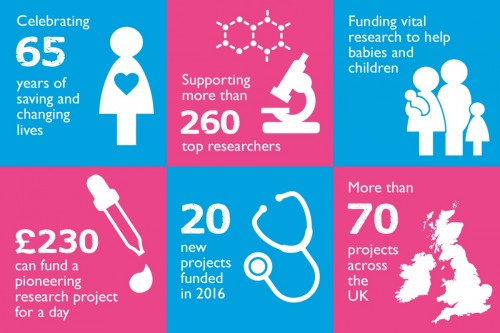
Trust Deed Scotland Supports Action Medical Research

Amanda Hendry, Manager at Trust Deed Scotland has donated work time to Action Medical Research to assist with the fundraising element of their recent Killer Heels & Cocktails Ladies Lunch. The event raised the amazing amount of over £30,000 which will help them to continue funding medical research and make a difference in tackling premature birth, helping children affected by disability and tackling rare diseases in children. Action Medical Research representative, Cecilia Cooper made the following comment  “None of our work would be possible without the support of our volunteers who give up their time to ensure our events are run successfully. EDIT – December 20202 – You can help Action Medical Research in their recent campaign to raise £1 million to fund vital medical research for children in the fight against COVID-19 by donating to their campaign online.

Who Are Trust Deed Scotland?

Trust Deed Scotland are the No.1 Trust Deed Advice company in Scotland, having helped over [volume] people in Scotland and achieving the rank of #1 debt advice company in the UK, based on over [reviews] reviews on the independent reviews platform TrustPilot. As Scotland’s no.1 rated, our dedicated advice team offer help to understand and implement statutory debt solutions such as Scottish Trust Deeds and the Debt Arrangement Scheme. Scottish Trust Deeds: What happens next? Debt Arrangement Scheme: What happens next? The Glasgow-based organisation have a proud history in Scotland, find out more about Trust Deed Scotland.

Clear Your Debts Like a Pro


Scotland is struggling with debt

The UK is in the midst of a consumer debt crisis. According to the Office for National Statistics: household debt is 33% higher on average than before the 2008 financial crisis, averaging around £15,500 per household nationwide. Scotland is no exception and has seen a 12% increase in personal debt averages, as well as a 20% increase in small-business failures. Living with debt has major consequences in terms of living standards, for the individual and the family, and can be a great source of anxiety besides. A big part of this is down to the simple fact that it can be incredibly daunting to try and take action against your debts – with the all-important question, ‘where do I start,’ being particularly hard to answer. This article attempts to offer the reader some clarity, guidance and to help answer that all important question, for debts big and small. It is crucial to have a plan of action – especially if you are making repayments to multiple creditors. A January 2019 study showed that it would take 26 years on average to write off credit card balances when making the minimum monthly repayment. Paying over a longer period of time of course also means you are likely to be paying more in interest. As such, some good strategy can save you money as well alleviating yourself from the burden of debt much faster.

Budget your way out of trouble with automated banking

Automate Banking First, before choosing the best strategy for you it is key for you to sort out your spending, and your borrowing. At the centre of most debt problems is an overspending problem. Painful as it may be, the first step in solving your personal debt problem is to accurately identify the extent of your monthly overspend. Stop spending are two words which are easy to say and harder to implement. The most effective way is to automate. How much simpler would saving be if the balance displayed in your current account was purely expendable income? After all, a displayed balance of say £2,000 may be reassuring at the start of the month – but what if only £200 of it was expendable after rent or mortgage payments, utility bills, groceries, car insurance etc? Fortunately, online resources make this possible. Money Saving Expert’s online budget planner is probably the most effective resource available at the moment. The MSE planner takes a couple of hours but provides a real assessment as to your overspend – producing both a monthly and annual total. Finally, to ensure you stay within the limit in practice, highly recommended is the ‘piggybanking technique.’ The key steps are as follows:
  • Step 1: Define the main areas you need to make savings in and set a new ideal monthly spend in that area (the budget planner can help you do this.)
  • Step 2: Set up a new bank account for each. Besides your main current account, always have a bills account and if you are self-employed a tax account. Then select 3 or 4 of the main categories from Step 1 for the other accounts.
  • Step 3: Set up standing orders from your main current account into each of these accounts. Schedule this for 2-3 days after payday if there is any chance of payment issues from your employer (or clients if you are self-employed.)
  • Now your main current account will accurately show what you have to spend. Piggybanking is most effective when you use online banking – access to your current account balance on your phone allows you to continually check on it in real time, and aid your decision making in day-to-day life.

If you need a loan, check all the options

Next, sorting out your borrowing involves more than ‘just stopping.’ Sensible borrowing and affordable credit are vital tools in debt reduction. Payday loan firms rely on the perception that besides bank loans there exists no alternative. Whether you have an unforeseen bill or change in circumstances, payday loans are not the only means to keep your head above water in the short-term. Many can’t get a good rate for a personal loan from banks by account of their poor credit rating. If this applies to you, a better alternative to high-cost payday loans could be a local credit union. Credit unions provide low-interest loans for members who share a ‘common bond:’ typically residence in a local area; or employment in an industry. Pound NotesIn preparation for this article, we used lenders own loan calculators to obtain a quote for a £500 loan. Quickquid offered a maximum repayment schedule of 3 months with an APR of 1294.1%. Therefore, the total interest on a £500 loan was £360. The total repayment was £860. For comparison we chose a credit union local to our office – Glasgow Credit Union, the biggest community lender in the UK. Their website states that: “Everyone who lives or works in the ‘G’ postcode area can become a member of Glasgow Credit Union and access our exclusive savings, loans and mortgages products.” Using their loan calculator, we got a quote for a £500 loan as above. The loan was repayable over 12 months, and APR stood at just 24.9%. Therefore, the total interest on a £500 loan was £62.92. The total repayment was £562.92. In this instance, a potential borrower could save £297 on just one loan. Another suggestion is to shift your credit card balances to 0% interest through a ‘balance transfer.’ This is a technique whereby you shift your debt to a new credit card, making the most of balance transfer deals. A comprehensive guide is available here.

How to clear your debts like a pro without a loan

Now, consider two popular repayment strategies. First, ‘debt avalanche.’ This method breaks down as follows:
  • Step 1: Make a list of all your debt and rank them by interest rate from highest to lowest.
  • Step 2: While making the minimum repayments on all of your debts, allocate the remaining affordable amount to the highest-ranking debt.
  • Step 3: Once you have written off the debt at the of the list, repeat this process going down your list.
‘Debt snowballing’ essentially reverses this process in key ways:
  • Step 1: Make the minimum repayments for all debts.
  • Step 2: Allocate all of the remaining affordable amount towards the smallest outstanding balance.
  • Step 3: Once you have written off the smallest debt, repeat the process going up your list.
Both of these methods have their merits. Debt stacking generally saves you the most money in interest, but it might take a long time to get a high-balance debt off your list. Debt snowballing may see you pay more total interest, but the psychological effect of ‘small wins’ may well keep you more motivated. So as to which method to choose, it may be best to borrow from fitness terminology: “the best diet is the one you stick to.”

Poor credit and can’t afford pay your debts in full?

Don’t worry you’re not out of options yet, there is government legislation designed to help in these situations. One of the formal, statutory solutions in Scotland is the Protected Trust Deed, a specialist insolvency solution.. The Trust Deed is a binding agreement between you and your creditors, overseen and administered by an Insolvency Practitioner (IP.) The Trust Deed allows you to repay your debts in a single, reduced monthly payment distributed too creditors by your IP. Below is a transparent, brief overview of the advantages and disadvantages, as well as notes on eligibility:
    • Advantages:
      • Your repayments are combined into one monthly contribution, which is managed for you – allowing you to put your debt problem behind you.
      • This contribution is based on what you can actually afford
      • Your creditors cannot legally contact you, all communication is to be directed towards your IP.
      • Your debt is ‘frozen’ throughout the agreement – meaning no fees or interest increases can be added to the debts in the Trust Deed.
      • At the end of your agreement (typically 4 years) the rest of your debt is written off.
    • Disadvantages:
    • Your credit rating could be affected: Trust Deeds stay on records for 6 years.
    • You may be required to release equity in your property.
    • You cannot be a Director of a Limited Company
    • You typically cannot acquire credit of over £250 during the Trust Deed.
  • Who Qualifies for a Trust Deed:
    • People who have been living in Scotland for over 6 months with debt of unsecured £5,000 or more, owed to 2 or more creditors;
    • Unsecured debts include but are not limited to: unsecured bank loans; payday loans; overdrafts; store cards; council tax arrears & tax bills (for those self-employed.)
    • You must be employed or self-employed, as your contribution is calculated from surplus income.
The Protected Trust Deed and DAS are our specialist services and have offered thousands of Scottish families and individuals a fresh financial start in the midst of a consumer debt crisis throughout the UK. For a confidential chat with one of our experienced debt advisers, get in touch today on 0141 221 0999 or leave an enquiry online or on our Facebook page today.        

Spending and Social Media: Is Instagram keeping you in debt?

Social media has proven to be a game-changing technology. Facebook, Pinterest, Twitter, Instagram and Snapchat have profoundly impacted all of our lives – and these platforms are likely to be the mere tip of the iceberg as technology continues to develop rapidly. The benefits of social media are well documented. It offers unprecedented interconnectivity and communication; near unlimited access to content, both informative and entertaining; and has revolutionised marketing for business owners who can now reach any and all potential customers in real-time. What we are less familiar with, however, are the downsides of social media, which is unsurprising considering it’s still in its early years. Some well-informed conclusions are coming to light – social media, for example, could be directly linked to your spending habits. Especially with the increase of buy now, pay later lending options.

Life through the lens: The Instagram lifestyle

Instagram – a social networking platform allowing users to upload photos and videos, edit them with filters and organise them using tags and location has enjoyed a meteoric rise in popularity in recent years. Users of the platform can browse other users’ content through tags and locations; view trending content; “like” photos; and follow other users to add their uploads to their feed. Instagram keeping you in debt? There are few things more addictive than our Instagram feeds. It is the ultimate ‘work break’ ( or procrastination tool) that allows you to keep on top of all of the latest trends, goings on of your friends, family and favourite public figures in the most digestible format. A picture, after all, is worth a thousand words. It appears, though, to have become something much bigger than intended. Average user time spent on the app has doubled in less than a year – and according to the Royal Society for Public Health, social media as a whole has “become more addictive than cigarettes.” Any platform with such addictive qualities can influence peoples lives in ways we are only just beginning to understand. Studies are beginning to find links between social media use and mental health problems due to negative self-comparison. Psychologists have long understood the purposes and consequences of self-comparison within our peer groups, workplaces and neighbourhoods. Social media has taken these comparisons to a new, previously unimaginable level. Our feeds give us 24-hour, instant access through posts and stories to watch our friends jet off on holiday, buy a new car and dine at the best spots in town. Instagram in particular, offers a window into people’s lives – but only the interesting parts, only their wins. As a result, users are left comparing their whole lives to the best parts of someone else’s – an entirely unfair comparison. Think of the ‘social media influencer’ modelling the latest fashion trends and offering you their discount code; or the amateur athlete revealing six-pack abs against a perfect sunset background, telling all you need to get lean is to buy the latest Herbalife supplement. Studies show that over 75% of people exaggerate or lie on social media, and “post a completely different reflection” of themselves. Social media allows us to put our best foot forward. It doesn’t require us to offer an accurate account of our daily routine – which in all likelihood wouldn’t make it to the trending page, social media influencer or not.

Overspending and the debt spiral

How, then, do overspending and debt fit within this context? Strong evidence is emerging that because of social media induced self-comparison, young adults, in particular, are overspending to keep pace – citing the FOMO (fear of missing out) phenomenon. As Goldman Sachs put it: “We’ve always been concerned about what other people think of us — and have, in a way, built our budgets around it.” Again, though, social media has entirely redrawn the limits of this – as young adults strive to keep up not only with their peer group but with the thousands of influencers and celebrities on their feeds and on the trending page. Credit Karma and Qualtrics have produced the most comprehensive study to date. Their survey in the United States found that nearly 40% of millennials spent money they didn’t have to keep up with their friends and that they doubt they can keep the pace up for another year without going into debt. Further, according to Pew Research: 40% of U.S. adults on social media say that seeing other people’s purchases and holidays on social media influences them to look into a similar purchase or trip. This emerging evidence is significant and demonstrates how social media feeds into the debt spiral. The debt spiral is a concept we have referred to throughout our posts. At the core of most debt problems is an overspending problem: people spending too much money to enjoy a quality of life they can’t afford and resort to expensive short-term credit to fill in the gaps of this overspending, plunging them into debt. There are two specific features of social media that particularly drive overspending;
  • First, the rise of the modern blogger or social media influencer. This has particularly changed the way companies market their products (especially in the fashion and beauty sectors). Brands send selected products to be promoted by ‘influencers’ with high amounts of followers.Often the influencer is given a discount code to encourage their followers to spend. This is a full-time, high-income form of employment for thousands of young, fashionable opinion leaders. With professional efficiency, they take that aspirational photo to promote the product causing thousands of their followers to race to buy it in the hope that they will look just as good.
  • Second, consider times, where you have been browsing or shopping online and head to social media for a little break, up pops a brand or product you’ve looked at on your feed as an advertisement on an entirely different page.This is no coincidence. Brands can ‘re-market’ to you on social media, tailoring the ads you see based on your online activity as well as the activity and preferences of your connections.

Buy Now, Pay Later culture

Buy now pay later providers such as the Swedish Klarna have launched in the UK, determined to sign up as much millennial as possible. With its ease of user-friendliness and ‘coolness’ there is a recent trend of people having financial difficulties caused by buy now, pay later deals spiralling out of control.

Unplugging from the spiral

What to do then? How can you stop social media induced self-comparison from damaging your financial situation? Hopefully, reading this post can serve as a first step. Consider and look deeper into the findings presented here. Be very, very careful and selective about what you follow and consume on social media. What highly selective images are triggering envy in you; what celebrities or ‘influencers’ are you getting drawn into self-comparison with? More importantly, is your feed and the content you consume leading you to make purchases you probably shouldn’t? Take the time to look through all platforms you are active on and do a full audit. Get rid of anything you feel might be leading you down the path outlined in this article. If it doesn’t inspire you or makes you feel bad about yourself ‘unfollow’. As a final message, social media can often lead you to feel like you are missing out – often this is not accidental. Social media is a disruptive technology in its infancy – it is engaging, addictive and redefining the world in many ways, both good and bad. When it comes to your finances, for now, it appears best to be very careful as to what you consume on social media. Chasing phantoms, striving to keep up with highlight reels on Instagram can ultimately rob you of long-term financial stability. You can’t get a mortgage on your dream home with a crippled credit rating, or have the freedom to travel throughout your adult life if all of your income has to go towards paying off high-cost credit. If you already find yourself in a financial position which is no longer manageable, you might benefit from a tailored debt advice call with one of our expert advisers, get in touch today on 0141 221 0999. If you’re looking for our official Trust Deed Scotland social media accounts, you can find them here: Trust Deed Scotland Facebook Trust Deed Scotland TikTok Trust Deed Scotland Instagram Trust Deed Scotland Twitter

How to save money at Easter

The Easter holidays and spending money go hand-in-hand. If you have kids, you might be heading abroad, visiting family or planning a few activity-packed days out (fingers crossed for good weather). In theory, the Easter holidays should bring a fun-filled fortnight with your family, but in reality, you’re facing an expensive few weeks. With or without children you can expect price hikes on holidays, transport and admission costs.

Just how expensive is Easter?

This year the average five day holiday is expected to cost £810 – including the 67% of Brits who are choosing to spend their break here in the UK. In 2018, holiday comparison website Kayak reported a 30% price increase for top holiday spots, compared to previous years over the Easter holidays. If you’re heading to a popular destination like Dubai or Malaga expect to pay 49% and 40% more on flights respectively. Looking for a last minute flight deal? Beware! You could end up paying over the odds on accommodation when you arrive, so do your research before getting spend happy with your credit card.   Last year, it was estimated we spent upwards of £247 over Easter weekend alone! If you have children that figure is closer to £300 per person. Even those ‘free’ activities like visiting the beach or the park could rack up costs from petrol, parking and a cheeky wee ice cream. You’re not immune to the spending frenzy if you don’t have kids either. Over Easter weekend you are more likely to head out for a meal, visit a museum, catch a film at the cinema or give your home a fresh lick of paint. Plus, with most of the country enjoying the break you’re more likely to visit friends and family, spending on average £19 on transport costs according to Money Facts (as above).

Money saving hacks for the holidays

Heading abroad? If you’re heading for foreign soil but waiting for the perfect deal before you book, here are a few money-saving hacks to try:
  • Be flexible with your flights. Travelling on a weekday, at night time or taking an indirect route could all help you to save some pennies. You could even fly to a nearby city and then catch a train to your destination. You’ll get to see more of the country from the ground this way too!
  • Research affordable destinations. Porto, Portugal was recently revealed as the cheapest spot in Western Europe for a short break, where a beer comes in at a neat £1.75. Research from the Post Office suggests a two-night stay in 3-star accommodation, a three-course meal and entrance to an art gallery for 2 people would set you back just £172.60pp.
  Already booked your Easter holiday? You’re probably looking forward to a well-deserved break. Having already parted with your hard-earned cash though, you might want to consider a few ways to save on those last-minute holiday costs:
  • Buy tickets to attractions in advance. Online prices can be significantly cheaper than on the door costs.
  • Don’t leave travel money until the last minute. Airport currency exchange is often significantly less competitive. To get the best possible exchange rate, do your research. Money.co.uk have a great comparison tool.
  • Get a travel credit card. If you use your credit card you could be in for a shock when you return from your holidays, often facing fees for using it abroad. Specialist travel cards are a great holiday companion because they don’t charge for cash withdrawals or interest and non-sterling transaction fees. For a guide to the best travel cards, check out Money Saving Expert.
Staying at home? Well why leave? Scotland has everything you need to enjoy the break right on our doorstep. Okay, okay except maybe the weather – but you never know!   Visit Scotland have gathered a list of 38 things to do this Easter, many of which are free. You could blow away the cobwebs with a day along the Fife Coastal Path, unleash your inner Culture Vulture and visit Dippy at Kelvingrove Art Gallery and Museum or take a jaunt through Edinburgh’s Botanic Gardens.

Grab a deal

Always check out deal websites like Itison and Wowcher for bargains on days out, restaurants, and hotels before you head out. You’ll find discounts on venues like Edinburgh Dungeon, M&Ds and Landmark Forest Adventure Park. Just make sure you check the terms and conditions to ensure the deals are eligible over the holidays.

Entertaining the kids at home

Mini Easter egg cakes If you’d rather stay avoid the crowds and stay in the house but have children to keep entertained here are a few ideas:

  • Print some Spring activities. If you have access to a printer there are lots of websites that offer free to download quizzes, colouring and puzzles. Jump Start has some seasonal options from an Easter Bunny Maze to a printable Easter Card little ones can colour in.
  • Easter baking. Everyone loves a chocolate nest, don’t they? For the cost of just a few cheap ingredients (and a messy kitchen), you can keep your children occupied making some yummy Easter treats you can all enjoy. Head to the BBC Good Food website for some Easter baking inspiration.
  • Traditional egg painting. You know the drill, grab some paint or dye and a box of eggs and let everyone get creative. Here are a few ideas. When you’re finished, head for the nearest hill and race your eggs to the bottom!

Already struggling to keep your finances in check?

If you’re struggling to keep your head above water in an unmanageable financial position, you could benefit from a chat with one of our experienced debt advisers. We’re a leading debt personal debt solutions company in Scotland and offer confidential advice to residents of Scotland. To join the [volume] people we’ve already helped to start their journey towards a brighter future get in touch today: Call us on 0141 221 0999 or see if you qualify now using our Trust Deed Wizard tool.

How to Avoid Self-Employed Business Debt in 4 Steps

If you’re an entrepreneur, sole-trader or small business owner, small business debt is probably a fact of life for you. You’re not alone, it’s almost impossible to grow a business without borrowing. Following the financial crisis of 2008 and more lately the Coronavirus crisis of 2020, two trends have emerged which could be adding to your financial burdens:
  • Firstly, since the credit crunch access to mainstream lending (primarily bank loans) has declined, driving more people to high-cost credit such as payday loans
  • Secondly, personal unsecured debt levels have soared to record levels
For business owners, these trends have proved particularly costly. Chartered Accountants French Duncan predicted in 2019 that a record 20 business failures per week in Scotland. To help you stay in business without your debt spiralling out of control, you need to consider your priority costs, ensure you’re taking advantage of tax credits and expense allowances and only borrow responsibly. That might sound overwhelming but we’re here to help with 4 steps to get you started:

Step 1: Prioritise your business costs

The first step towards getting your house in order is to clarify what your priority business costs are. These are the basic payments you must make just to keep your business in operation. These costs will vary depending on your business services are, but they may include:
  • Mortgage payments or rent on your business premises
  • Business vehicles (if you travel to jobs) and their associated costs
  • Tax, VAT and National Insurance
  • Utility bills
  • Leases on equipment
  • Unpaid Fines
  • Court judgements
Citizens Advice’s priority debt calculator is a great tool to help you tailor this list to the needs of your business.

Step 2: Get quality funding

  When you’re starting out, your top concern is probably funding. We have spoken previously, with concern, about the growing use of high-cost credit – specifically payday loans. To reiterate, turning to high-cost loans is dangerous, but also entirely unnecessary. Good quality alternative finance is available both in a personal and business context. Be it through the growing trend of crowdfunding and peer-to-peer lending, or the use of local credit unions as we recently advocated in our Clear your debts like a Pro article. Financing your business is no longer a case of petitioning your high street bank. Finding the right funding, best fitted to your business is simply a case of knowing where to look. Here are some highly recommended key resources.
  • Funding Options: this is an invaluable Treasury owned search tool, which based on specific criteria aims to rank over 50 providers of a variety of grants and loans in order of suitability to your business
  • If you are looking into grants over a loan, the good news is that in Scotland alone there are over 220 grant types This guide from smallbusiness.co.uk details the most popular ones.
  • Business Gateway offers a broader range of support and services – including over 30 online resources dedicated to business financing.

Step 3: Make friends with HMRC

  Self-management of your taxes can be a daunting prospect even if you’ve been in business for a long time. The key to a good relationship with HMRC is communication. Ensure you keep HMRC in the loop with correct, up-to-date information about your business’s income and expenses. If you don’t, there’s a chance that your tax bill may be over-estimated. This not as uncommon as it may sound following the start of the new tax year and the introduction of new tax codes. If you find yourself in a position where you’re struggling to make payments, keep HMRC up to date with your situation. Otherwise, they may jump to the conclusion that you are avoiding payment altogether. Contact your local office and explain to them. You can even make an offer to pay off the debt at an amount you can afford. If they agree that you can’t afford to pay in one lump sum, they may accept your offer to pay in monthly instalments.

Step 4: take advantage of tax allowances

  Running your own business can become all-consuming. It is therefore unsurprising that most small business owners do not find the time to investigate all possible tax credits and exemptions they’re be entitled to. Here are three tax breaks which may save your business thousands each year:
  • Research and Development tax credits: R&D tax credits are worth looking into even if you don’t initially feel like you would qualify. HMRC defines R&D very broadly, and thousands of software, design, architecture and engineering businesses doing no laboratory work benefit from these reliefs
  • Employment Allowance: If you have employees (even a few), the Employment Allowance could reduce your National Insurance bill by £3000 a year. If your application is successful, no National Insurance is payable up to the £3000 limit. For most small businesses, this would eliminate the entire bill
  • Use of Home Claims: HMRC allows generous tax savings for small businesses operated from home. For example, you can claim for a proportion of heating, mortgage interest, broadband, landline telephone and even council tax costs.
These are just the tip of the iceberg when it comes to making savings in the tax minefield. Bytestart offers a comprehensive guide Sole Trader Tax Guide for further reading.

Has your Business Debt become unmanageable?

If you are in an increasingly unmanageable position, a Protected Trust Deed could be an option for you. A Protected Trust Deed is a legislated debt solution in which you could write off unaffordable debt, reduce your monthly repayments to one affordable sum all while protecting the things you love. However. there are a couple of important factors to consider first:
  • As a sole trader, your income probably fluctuates month to month. This requires closer collaboration with your trustee to ensure the projections used to calculate your monthly contribution are fair and accurate
  • If your business and personal bank accounts are held with the same bank, you will need to open a new business account with a different bank before the trust deed begins
  • You will not be able to access further business borrowing for the duration of the Trust Deed.
  • The general rule is that you can’t be the director of a limited company unless the terms of your Trust Deed allow it.
For an accurate assessment of whether a Protected Trust Deed or Business Debt Arrangement Scheme is the right option for you, get in touch today for tailored, confidential chat with one of our self-employed debt specialists. Call our Self Employed Debt Help specialist team on 0141 221 0999 to find out if you qualify now.

How To Save Money On Food By Reducing Waste

Looking to learn how to save money? The world is facing a food waste epidemic – and it’s not just food we’re throwing in the bin.

Let’s find out how to save money on food by simply reducing waste

In the UK alone, the average household throws out £700 worth of food a year according to This is Money. That’s the equivalent of almost £15 worth of food going in our bins, every week. If you’re trying to tighten your purse strings, cutting out your food waste alone could save you £58 per month. So, how to do it? Here are some simple tips you can apply to see the difference in your wallet and in bin at the end of the month:

Best before dates

Trust Deed Scotland can reveal that the Journal of Environmental Research Letters published a study showing that up to 80% of food waste is avoidable. The European Commission’s Joint Research Centre led the work and spokesperson for the study, Davy Vanham evaluated, ‘In some ways, it’s good that this waste is avoidable because it means we’re able to do something about it. A lot of food is still good but is thrown away when it passes its sell-by date.’ If you remember what the dates mean, it could prevent you from throwing out perfectly good food that could be eaten. A guide to what perishable food labels actually mean: Use By – The date the food has to be eaten by. Do not keep for longer than this date. Best Before – The food will be at its optimum condition before this date but can still be consumed after this date although it will gradually lose quality of taste and texture. Sell By – Used by shops to determine how long they should keep the items on their shelves. You do not need to eat the food by this date. Display Until – Also used by shops to determine how long they should keep the items on their shelves. You do not need to eat the food by this date.

Eat up the food you already have in

Head to the kitchen and do a stock check – what’s already in your fridge? Go through it and move older food to the front and newer food to the back, eat the older food first while it’s still fresh. Check the ‘Use By’ dates on your food,  if you think you won’t manage to eat some things before this date, pop them in the freezer for later so they can avoid the bin. If you have a tendency to forget fresh food or run out of space in the fridge, try canned foods and frozen options instead. Does that broccoli always end up in the bin? Replace it with a bag of frozen broccoli. It’s often a cheaper, fresher option and will save you prep time as well as reducing your waste. Don’t forget to check your cupboards too! Most of us are guilty of forgetting that tin of tomatoes or the bag of pasta at the back of the cupboard – add in some veggies and that’s a meal ready to go!

Eat more plants

rice, vegetarian curry, chickpeas, lemon and avocado prepped in tubs Some of the most expensive items in the supermarket are meat and cheese, whilst the cheapest are veggies, beans and legumes like lentils and chickpeas. If you’re not ready to make the switch to a fully plant-based diet, just cutting out meat could save you £600 a year. If you don’t want to completely cut meat out your meal plan – why not try one meat-free day a week. Meat Free Monday a campaign launched by Sir Paul McCartney and his daughters encourages you to adopt one vegetarian day a week to leave you with more cash at the end of the month. You’ll be doing your bit for the planet too. According to This is Money the latest Office for National Statistics figures report the average family spend £12.80 per week on meat and just £4.30 on vegetables. One vegetarian meal a week will cost you just 61p compared to £1.83 for a meat-based meal. If you swapped just one meal per week to a vegetarian one you’ll save a fiver a month! Create a meal plan – and stick to it Plan ahead and create a meal plan for the week ahead. Not only will this help you to reduce your waste and save money but it allows you to plan healthier meals. Fast food and pre-prepared meals are overpriced and usually not very good for you. Save money and eat healthier by preparing your own meals at home. For a quick and easy main meal, why not try a stir fry with rice noodles and for a lighter option, blend some vegetables together with some stock to make a quick and simple soup. For inspiration look to Google and Social media. Instagram and YouTube are full of accounts offering cheap recipe ideas for free. On YouTube Miguel Barclay shares meals that cost just £1 per portion. ⭐ Top tip ⭐: Save any recipes you find into a Pinterest board or try using a meal planning app like Paprika where you can save your recipes. The app will even create a shopping list for you. Steps to creating a good meal plan:
  1. Think about what you need to plan around this week – are you working? Are you going out one night? If you have kids will they be home for every meal?
  2. Look at the food you already have in and plan meals around those ingredients.
  3. Write a shopping list – when you head to the shop if it’s not on your list – it doesn’t go in the basket.
  4. Share the meal plan with your partner/family. You can make up a menu and display it in the kitchen – make it fun!
⭐ Top tip ⭐: Try not to go food shopping when you’re hungry – we’ve all been there. You’ll find yourself more likely to end up impulse buying snacks and it will all add up.

Prep your meals ‍

Food prepared in jars: curry and rice, granola and fruit, hummus and crudités, chia pudding and fruit Most people don’t realise how much money they spend on work or school lunches each week. Prepacked sandwiches from Tesco, Sainsburys and Marks and Spencer. £3-£4 for a deal, including a snack that most of us can do without. And let’s be honest – the quality of food is rarely ever worth it By preparing lunch the night before or in bulk once a week and freezing them until you need them, you can cut down on expensive convenience foods and use your lunch hour to relax instead of waiting in a busy queue to buy something. If you have a busy week, you could even prep all of your meals and snacks in advance to keep you on track and save you time later. Exercise portion control Always make too much food and end up chucking half of it in the bin? Check recommended servings on packaged foods and pay attention to these when cooking – weigh out your food to get the portions correct. If you do have leftovers, freeze them and use them as part of another meal later. For a perishable item that you can only buy in a large quantity, such as a loaf of bread, freeze it on the day of purchase and defrost the number of desired slices as and when you need them.

Still struggling to make ends meet?

If you are in an increasingly unmanageable financial position, you could benefit from a tailored consultation with one of our expert advisers. We’re the largest debt advice company in Scotland and offer tailored, 100% confidential advice. A Protected Trust Deed or Debt Arrangement Scheme could be two options for you. A Protected Trust Deed is a legislated debt solution in which you could write off unaffordable debt, reduce your monthly repayments to one affordable sum all while protecting the things you love. The Debt Arrangement Scheme is also a legislated debt solution tool that can reduce your monthly repayments to an affordable amount while protecting the things that matter to you most. To join the [volume] people we’ve already helped to reach a brighter future, get in touch today by call us on 0141 221 0999 or search our Scottish debt solutions guide.

Trust Deed Specialist Forum

Looking for a Trust Deed Specialist Forum in an online world where advice is offered freely can be overwhelming and often contradictory. Similar to whenever we feel under the weather, where it’s easy to consult with Google and self-diagnose ourselves with a critical illness, when in fact all we have is a common cold. The same principle applies to those searching for a Trust Deed Specialist Forum, or any other Debt Advice Forum for that matter. Unfortunately, it’s all too easy to find yourself in debt and you’re not alone. Often, it’s tempting to bury your head in the sand and hope your problems will go away – but debt isn’t a problem you can just ignore, with interest charges stacking up, the longer you do, the worse your financial situation will get. For people struggling with debt in Scotland, several debt solutions could allow you to repay what you owe and potentially write off all, or part of your unaffordable debt. But for true specialist Trust Deed advice, the first step Trust Deed Scotland recommends is to talk to an experienced debt adviser who can talk through all available Scottish debt solutions with you. One of the options available to residents of Scotland is a legal agreement called a Trust Deed.
What is a Trust Deed?
Many people find themselves with unaffordable debt and do not necessarily know the types of solutions open to them. Therefore, the question of What is a Trust Deed? is fairly common among those in the research phase of their debt help journey. A Scottish Trust Deed is a voluntary legal agreement between you and the companies you owe money to. When you enter into a Trust Deed, your total debts are all grouped together and a Licensed Insolvency Practitioner takes on the role of a trustee. By grouping all of your debts together your trustee will help you to find an amount you can realistically, afford to pay towards your debts. This will become one monthly payment replacing all of your existing payments. Because this amount is based on what you can reasonably afford it is usually significantly lower than your previous combined payments. You’ll make this payment once a month, for 48-60 months depending on circumstances months. At the end of this time, any remaining, qualifying, unsecured debts will be written off. Legally, your creditors can no longer pursue you for the remaining amount. Almost all unsecured debts are eligible to be included in a Trust Deed, such as credit and store cards, unsecured loans including payday loans, overdrafts, old council tax arrears and old utility bills from a previous address, catalogues and old HMRC debts.  
Advantages of a Trust Deed
  • Your debt becomes manageable – You will only make one monthly payment to your Trust Deed rather than several payments to several companies. This monthly amount will be based on what you can realistically afford and is therefore usually, significantly lower. You can agree on a regular date to repay the money you owe, for a time that suits you best – after payday for example.
  • No further action – If the majority of your creditors don’t object to the Trust Deed terms it will become ‘protected’ meaning as long as you stick to the agreed terms they can’t legally take actions such as arresting your wages, or bank account to recover money. You can protect your house and car.
  • No direct contact from your creditors – The licenced Insolvency Practitioner will take on the role of trustee, who is there to help you to repay your debts.As long as you make the reduced monthly payment, with Protected Trust Deeds your creditors can no longer call you up, email you or contact you directly in any way.
  • Your future interest charges can be frozen – After signing a Trust Deed, you’ll be paying back the debt you already owe but not racking up any more debts as you go.
  • Debt written off – At the end of your Trust Deed period, any remaining qualifying, unsecured debts will be written off. Legally, your creditors can no longer pursue you for the remaining amount.
Are there any disadvantages to Trust Deeds?
Before considering a Trust Deed, there are some things to be aware of:
  • You must be able to make the agreed monthly payments towards your debts unless your circumstances change. If they do you need to inform your trustee immediately.
  • If you gain any new money or assets such as tax rebates or inheritance during your Trust Deed period your trustee can claim them towards your debts.
  • A Trust Deed will negatively impact your credit rating for 6 years from the date you start one, making it more difficult to obtain credit such as a mortgage.
  • Usually, you can’t be a director of a limited company. If you are self-employed you may have to appoint a new director or sell your business.
Are there Trust Deed alternatives?
Yes, you can pursue other forms of debt management in Scotland. The Debt Arrangement Scheme also allows to get your payments down to an affordable level and uses formal legislation, the same way a Trust Deed does. When you request Scottish debt help from a reputable firm, they would go through your details and advise you of the pros and cons of all solutions, but more important to you; how they would affect you based on your own circumstances. Always be careful that a company isn’t trying to force you into a solution. If in doubt, it doesn’t hurt to ask around and get advice from multiple firms who are regulated by UK regulatory bodies. It doesn’t harm you to look at the number of specialist Trust Deed forums online, or MoneyHelper – which an independent service set up to help people manage their money.
Is a Trust Deed right for me?
If you are thinking of setting up a Trust Deed you should seek advice first, remember you should never pay for this advice, we offer confidential, experienced advice. You should also consider whether you have enough disposable income to afford the monthly repayments. If you’re not sure, it’s something we can help you with. A Trust Deed could be a good option if you:
  • Have unsecured debts of £5,000 or more
  • Have enough income left after paying your bills each month to make a contribution towards your debts
You may need to consider a different route if you:
  • Have no disposable income to put towards your debts and no assets
  • Have debts that don’t exceed £5,000
  • Have enough disposable income to pay off your debts before 4 years
For more information see How does a Trust Deed work or have a look at our FAQ question – Is a Trust Deed right for me? Also, as mentioned above, common alternatives to a Trust Deed is known as the Debt Arrangement Scheme (DAS) and Sequestration, Scotland’s equivalent to bankruptcy.
How can we help you?
From our feedback, we know people often feel too embarrassed to take that first step and talk about their debt. There’s no need to feel embarrassed and struggle alone. Watch our videos below and see how we can help you.

Trust Deed Specialist Forum

At Trust Deed Scotland, we’re the leading Scottish debt advice company in the debt relief category of TrustPilot. We offer non-judgemental and 100% confidential advice to people living in Scotland and struggling with debt. For more than a decade, we’ve helped over [volume] people. Don’t just take our word for it ​check out our Trustpilot reviews​ where we currently have a rating of 5/5. Thousands of the people we have helped left us a positive Trust Deed review. If you think you may not qualify for a Trust Deed, we can talk you through the other options available to you. We will always give you advice suited to you, with your best interests at heart. It is our mission to help you get out of debt rather than sell you a solution. If you want to start the journey to a brighter future, or just want a friendly chat and some advice ​give our experienced team of debt advisers a call. Or, you can try our ​Trust Deed Wizard tool to find out if you’re eligible. Whilst not a Trust Deed Forum, our Trust Deed Scotland WhatsApp service can be used to quickly find an answer to your question.