Improve Your Personal Finance Management

It’s 2020, and after all that spending in previous years, you’ve decided to improve your personal finance management to take control of your money for the years ahead. Many more people are requiring debt help in Scotland and in 99/100 of cases – it’s through no fault of their own. Problem debt happens. We deal with it. Taking time to think about how you spend your money and budgeting as effectively as possible will really help you reduce your debts and keep up with bill payments. We’ve listed some tips below which will help you to improve your financial management throughout the coming years. Remember – if you’re struggling with personal debts, sometimes to improve your finance management, it may be advisable to investigate formal Scottish debt solutions.

Are You Budgeting Carefully?

When looking to improve your finance management, you should start by adding up your net monthly income – this is your monthly income after tax, plus anything else you receive, such as working tax credits. You should then note down all your outgoings:
  • Priority bills – mortgage/rent and council tax
  • Monthly direct debits
  • Other monthly expenses, such as gas/electricity, food, fuel, transport etc
Looking at all of these necessary outgoings tells you how much you need to be putting aside for them each month. You can minus these outgoings from your total monthly income to see how much disposable income you have left to work with too. At any point, if you do feel like you’re struggling with your budget and you’re finding debt to be a problem for you, seek expert debt advice in Scotland for help to understand your options.

Are You Writing Shopping Lists?

Improve Your Finance Management - are you writing a shopping list? Shopping lists don’t just apply to food shopping, you should set out with what you need to buy, and resist impulse purchases. This also enables you to estimate how much you’re going to be spending before you’ve spent it – and whether or not you can afford it.

Are You Budgeting With Others?

Improve Your Finance Management - Are You Bugeting With Others? If you live with other people or have a family, ensure that you are all budgeting together as much as possible. As well as money, also plan meals together to save on your food shop. Budgeting becomes easier if you are doing it with the support of others.

Are There Any Memberships/Online Services You Can Live Without?

Have you got a gym membership that you’re not really using? A movie channel that you never watch? Or a subscription to a TV/music streaming app that you could live without? All of these add up, and cutting them out of your spending could make a big difference, particularly if you’re getting into debt.

Have You Set Up Direct Debits For Regular Payments?

You can usually get a cheaper tariff if you pay by direct debit. It also means that you don’t forget to make payments and get charged more for them being late – added stress you can do without. Direct debits also help you plan your outgoings more strictly and with greater ease as you know exactly how much and when your money is going out.

Have You Had A Sort-Out Recently?

A lot of us have clutter taking up space in our homes. And some of that clutter can sometimes be worth something. Whether it’s selling it online or taking it to a car boot sale, it’s worth trying to sell your unwanted possessions. Anything extra can contribute to paying off bills or debts. You can also find out more about debt-forming habits from our other articles on our Scottish Debt Advice Info Hub.

Improve Your Finance Management – What Can You Do If You’re In Debt?

These tips we’ve discussed will certainly help you to improve your finance management, but sometimes if you’re struggling, you will need some extra help. Trust Deed Scotland® provide tailored advice and a supportive solution to your debt problems. To see if you qualify for a Scottish Trust Deed, or DAS – try our Trust Deed Wizard tool. To find out more about managing your money and getting tailored advice, visit Money Helper, an independent service set up to help people manage their money.

Rent In Edinburgh Debt News

Rent In Edinburgh Debt Help News – Through extensive data research using Numbeo for our new Cost Of Living guide, the startling news that rent in Edinburgh is on average over £1,000 cheaper than it is in London inspired us to look into the other differences between the two capitals. Although both cities have a high cost of living, it’s clear that even between the two, there are vast differences. Edinburgh London What does this mean for people living in Scotland and England? How does this affect the likelihood of falling into debt?

How Much Does It Cost To Rent In Edinburgh And London?

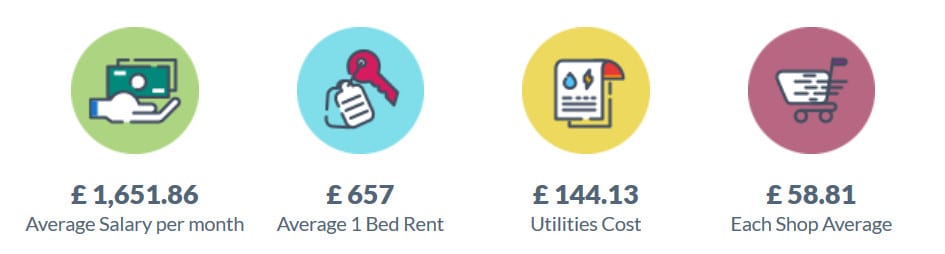
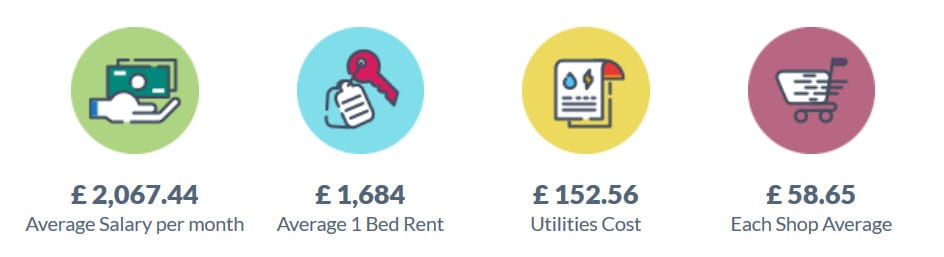
Looking at the average cost of renting a 1 bedroom flat, in Edinburgh, this will set you back £657 per month. In London meanwhile, this price rises by over £1,000 to £1,684 per month.

How Do Average Wages Compare?

Working in London, you can expect to earn an average wage of £2,067.44 per month, while in Edinburgh you will receive on average £1,651.86. So if we look at the average rent and salary, we can see that if you’re living in a 1 bed flat in London, you’ve already spent over half of your month’s wages on rent. If we add to this the average London costs of utilities (£152.56) and food shopping (with each food shop costing £58.65), you’re not left with a great deal of disposable income. In comparison, the average costs for utilities in Edinburgh are £144.13, while an average food shop costs £58.81. Although this is still eating away a considerable chunk of your earnings, you’re still better off than you are in London.

How Do The Cost Of Amenities Compare?

The average cost of amenities is also overwhelmingly lower in Edinburgh compared to London. Sports and fitness is quite a bit cheaper for those in Edinburgh, with monthly fitness costing £35.02 rather than £48.59 in London, and tennis court hire £8.60 as opposed to £11.34. A taxi meanwhile will cost you over twice as much in London, the average fare for 1km being £3.30 rather than £1.60 in Edinburgh.

Are You Interested In The Cost Of Living Around The World?

It’s fascinating comparing the cost of living between various cities of the world. Why not check out the facts and figures in all their glory across many continents on our Cost Of Living Guide?

Rent In Edinburgh Debt Issues?

Although those in Edinburgh are better off when we compare the cost of living, it’s still all too easy to see how you can get into debt with a lower wage. Once you have taken away the costs of rent, utilities, shopping, and amenities, many have little money left month to month. Trust Deed Scotland are aware of the struggles you can face and offer free advice to those concerned about their debts. In these tough financial times, you do not have to suffer with your debts alone – a protected trust deed can provide the support you need, and see you write off all debt included in the plan in typically 48-60 months. If you have a specific worry about rent arrears debt, you can get in touch today and find out what your options are.

Edinburgh Debt Advice

As the country’s capital city and one of its most populated areas, it is of little surprise that Edinburgh is one the places in Scotland where its residents that asks for Debt Advice in Scotland most often. Unaffordable debts have affected people living in all areas of Scotland, and Trust Deed Scotland have helped people all over Scotland – if you’re looking for Edinburgh debt advice, get started by using our Trust Deed Wizard tool.

Getting A Job In Scotland

Finding work is no easy task. It can be a gruelling process at times, and you can become stuck in a loop of sending out the same CV or application to no avail. There are also a couple of key errors people make when searching for work. Here are a few steps that you can take to make sure that your attempt at getting a job is more likely to result in success.

Where should you start?

If you’re looking at getting a job in Scotland, you should start with your CV. If it’s been some time since you wrote it, or if you’ve been sending out the same CV in response to job adverts and hearing nothing back, it’s time to rewrite it. Keep in mind how little time that employers spend actually looking at your CV. The average time is between 5 and 10 seconds, which is more like scanning than actually reading. A CV is usually a quick summary of your experiences, skills and qualities – cover letters and application forms are where you can expand a little more. However, you still need to ensure you’re hitting the specific things the employer is looking for. Avoid simply cutting and pasting your CV for lots of applications; some tailoring will be required for each role.

Can your social media play a part in the recruitment process?

In short, yes. You should assume that an employer will google your name if they’re interested in finding out more about you. Therefore, deleting anything inappropriate, or making accounts private, is a smart move. If you have a LinkedIn profile, keeping that updated is a good idea too. You can also check out specialised Scottish job search websites such as s1jobs.com.

How should you approach your job hunt?

Treat your job search like an actual job. Take it seriously, make lists, and dedicate a sensible amount of time to it each day. Even things like getting dressed and sitting at a desk to focus on job applications can help you be more productive. You can then relax at the end of the day and concentrate on other activities. It’s easy to become stressed and overworked when job-searching, so you also need to remember to take care of yourself. Staying positive is also key, and this can obviously be tricky. It can be incredibly disheartening to receive a series of job rejections, but you should try to take everything you can from these. Ask for feedback, particularly if you make it to the interview stage. It may take time, but you’ll get there eventually! Once you’ve found work, it might be tempting to splash out a little, but you should try limiting your spending for at least a little while to save some of your earnings. If you’re struggling to manage your finances, however, Trust Deed Scotland is here to help. We provide free Scottish Debt Help, and if you’re currently experiencing it, you should use our Trust Deed Wizard to find out exactly how we can help you. Learn to manage your finances better by reading more of our info hub posts.

What is the difference between a Trust Deed and a Deed of Trust?

The two are completely different, but we still see that it confuses people what the difference is when they’re searching on Google! As a result, below you will find the difference between a Trust Deed and a deed of trust to help you on your way to finding more about what you need.

What is a Trust Deed?

If you’re struggling financially and require debt advice in Scotland or support on how to move ahead, an advisor may make you aware of the opportunity of entering into a Trust Deed. Before you do so, you should ensure that you understand what a trust deed is, how it works and be aware of other debt arrangement schemes available. A Trust Deed is a voluntary agreement between you and your creditors (who you owe money to) to repay what you owe. It’s a formal debt solution that’s only available to Scottish residents who have a personal debt of £5,000 or more. A Trust Deed can be particularly helpful if you’re struggling to pay your debts within a reasonable timeframe – five years, for example. It’s generally a more straightforward and less restrictive alternative to declaring bankruptcy and can be used to pay off part of any “unsecured debt”, such as money borrowed using credit cards and loans. It’s important to note that social security benefits and things like Universal Credit can be taken into account to assess your situation when you apply for a Trust Deed, but the contribution you pay back will not be taken from these funds. Generally, only disposable income is used to pay creditors, but other assets such as furniture could also be liquidated to help make contributions, but this will have been agreed with your advisor before entering a trust deed. The financial advice on offer meanwhile when you enter into a Trust Deed can include remortgaging, but this is not mandatory and typically not advised unless a final option. There are two types of trust deed – protected and unprotected. An unprotected trust deed is not binding for a creditor (company or other) who doesn’t agree to the terms. A Protected Trust Deed meanwhile is binding for the creditor, although they have a 5 week period in which to appeal. It’s in the interest of the trustee to have the trust deed protected, but it’s not essential. It is also worth noting that a trust deed debt must be a minimum of £5,000 to become protected. You should be aware that all protected trust deeds that fall under the court of session and within the territorial jurisdiction of Scotland are advertised as a public record in the AIB register. It is also likely that setting up a trust deed will affect your credit record. Trust deeds can only be administered by a licensed insolvency practitioner.

 What is a Deed of Trust?

what is a deed of trust

Although similar in name, a deed of trust is something entirely different from a Trust Deed. A deed of trust is an important document (governed by The Trustee Act 2000) in which trustees are appointed to hold the property for beneficiaries. A Deed of Trust can be used to state how a property is owned. For example, the property may be owned by several parties, each with a different contribution towards the ownership, and this proportion of ownership may not be listed in the land registry. A deed of trust enables someone to be a protected owner of the property, even if they are not a registered owner with the land registry. A Deed of Trust can be necessary for various circumstances. For example, say that someone wishes to contribute towards buying a new house with their partner. However, they are already the owner of a property with a mortgage, so they cannot be part of the mortgage on the new house. A deed of trust can be used to register their contribution towards, and ownership of, the new property, while their partner is listed with the land registry as being the sole owner.

What is a trustee in a Deed of Trust?

A trustee is somebody who manages the property that is held in a deed of trust. Trustees are entrusted to act in an appropriate manner, and always in the interests of the beneficiaries.

What is the difference between a Trust Deed and a Deed of Trust?

So how does a Trust Deed in Scotland differ from a Deed of Trust? A Trust Deed is an alternative to bankruptcy in Scotland and involves a professional overseeing your repayment of debt over a certain amount of time to your creditors. A Deed of Trust meanwhile is a legal document most commonly related to the ownership of property and involves a trustee managing how it is really owned, enabling your percentage of ownership to be protected, even when you are not listed in the land registry as the owner. To find out more about Trust Deed Scotland and if you qualify for a Trust Deed, try our Trust Deed Debt Calculator. Debt Help Scotland  ✓ 30,000 people helped ✓ No.1 Rated ✓ Tailored Advice ✓ No Setup Fees.

How To Save Money On Food By Reducing Waste

Looking to learn how to save money? The world is facing a food waste epidemic – and it’s not just food we’re throwing in the bin.

Let’s find out how to save money on food by simply reducing waste

In the UK alone, the average household throws out £700 worth of food a year according to This is Money. That’s the equivalent of almost £15 worth of food going in our bins, every week. If you’re trying to tighten your purse strings, cutting out your food waste alone could save you £58 per month. So, how to do it? Here are some simple tips you can apply to see the difference in your wallet and in bin at the end of the month:

Best before dates

Trust Deed Scotland can reveal that the Journal of Environmental Research Letters published a study showing that up to 80% of food waste is avoidable. The European Commission’s Joint Research Centre led the work and spokesperson for the study, Davy Vanham evaluated, ‘In some ways, it’s good that this waste is avoidable because it means we’re able to do something about it. A lot of food is still good but is thrown away when it passes its sell-by date.’ If you remember what the dates mean, it could prevent you from throwing out perfectly good food that could be eaten. A guide to what perishable food labels actually mean: Use By – The date the food has to be eaten by. Do not keep for longer than this date. Best Before – The food will be at its optimum condition before this date but can still be consumed after this date although it will gradually lose quality of taste and texture. Sell By – Used by shops to determine how long they should keep the items on their shelves. You do not need to eat the food by this date. Display Until – Also used by shops to determine how long they should keep the items on their shelves. You do not need to eat the food by this date.

Eat up the food you already have in

Head to the kitchen and do a stock check – what’s already in your fridge? Go through it and move older food to the front and newer food to the back, eat the older food first while it’s still fresh. Check the ‘Use By’ dates on your food,  if you think you won’t manage to eat some things before this date, pop them in the freezer for later so they can avoid the bin. If you have a tendency to forget fresh food or run out of space in the fridge, try canned foods and frozen options instead. Does that broccoli always end up in the bin? Replace it with a bag of frozen broccoli. It’s often a cheaper, fresher option and will save you prep time as well as reducing your waste. Don’t forget to check your cupboards too! Most of us are guilty of forgetting that tin of tomatoes or the bag of pasta at the back of the cupboard – add in some veggies and that’s a meal ready to go!

Eat more plants

rice, vegetarian curry, chickpeas, lemon and avocado prepped in tubs Some of the most expensive items in the supermarket are meat and cheese, whilst the cheapest are veggies, beans and legumes like lentils and chickpeas. If you’re not ready to make the switch to a fully plant-based diet, just cutting out meat could save you £600 a year. If you don’t want to completely cut meat out your meal plan – why not try one meat-free day a week. Meat Free Monday a campaign launched by Sir Paul McCartney and his daughters encourages you to adopt one vegetarian day a week to leave you with more cash at the end of the month. You’ll be doing your bit for the planet too. According to This is Money the latest Office for National Statistics figures report the average family spend £12.80 per week on meat and just £4.30 on vegetables. One vegetarian meal a week will cost you just 61p compared to £1.83 for a meat-based meal. If you swapped just one meal per week to a vegetarian one you’ll save a fiver a month! Create a meal plan – and stick to it Plan ahead and create a meal plan for the week ahead. Not only will this help you to reduce your waste and save money but it allows you to plan healthier meals. Fast food and pre-prepared meals are overpriced and usually not very good for you. Save money and eat healthier by preparing your own meals at home. For a quick and easy main meal, why not try a stir fry with rice noodles and for a lighter option, blend some vegetables together with some stock to make a quick and simple soup. For inspiration look to Google and Social media. Instagram and YouTube are full of accounts offering cheap recipe ideas for free. On YouTube Miguel Barclay shares meals that cost just £1 per portion. ⭐ Top tip ⭐: Save any recipes you find into a Pinterest board or try using a meal planning app like Paprika where you can save your recipes. The app will even create a shopping list for you. Steps to creating a good meal plan:
  1. Think about what you need to plan around this week – are you working? Are you going out one night? If you have kids will they be home for every meal?
  2. Look at the food you already have in and plan meals around those ingredients.
  3. Write a shopping list – when you head to the shop if it’s not on your list – it doesn’t go in the basket.
  4. Share the meal plan with your partner/family. You can make up a menu and display it in the kitchen – make it fun!
⭐ Top tip ⭐: Try not to go food shopping when you’re hungry – we’ve all been there. You’ll find yourself more likely to end up impulse buying snacks and it will all add up.

Prep your meals ‍

Food prepared in jars: curry and rice, granola and fruit, hummus and crudités, chia pudding and fruit Most people don’t realise how much money they spend on work or school lunches each week. Prepacked sandwiches from Tesco, Sainsburys and Marks and Spencer. £3-£4 for a deal, including a snack that most of us can do without. And let’s be honest – the quality of food is rarely ever worth it By preparing lunch the night before or in bulk once a week and freezing them until you need them, you can cut down on expensive convenience foods and use your lunch hour to relax instead of waiting in a busy queue to buy something. If you have a busy week, you could even prep all of your meals and snacks in advance to keep you on track and save you time later. Exercise portion control Always make too much food and end up chucking half of it in the bin? Check recommended servings on packaged foods and pay attention to these when cooking – weigh out your food to get the portions correct. If you do have leftovers, freeze them and use them as part of another meal later. For a perishable item that you can only buy in a large quantity, such as a loaf of bread, freeze it on the day of purchase and defrost the number of desired slices as and when you need them.

Still struggling to make ends meet?

If you are in an increasingly unmanageable financial position, you could benefit from a tailored consultation with one of our expert advisers. We’re the largest debt advice company in Scotland and offer tailored, 100% confidential advice. A Protected Trust Deed or Debt Arrangement Scheme could be two options for you. A Protected Trust Deed is a legislated debt solution in which you could write off unaffordable debt, reduce your monthly repayments to one affordable sum all while protecting the things you love. The Debt Arrangement Scheme is also a legislated debt solution tool that can reduce your monthly repayments to an affordable amount while protecting the things that matter to you most. To join the [volume] people we’ve already helped to reach a brighter future, get in touch today by call us on 0141 221 0999 or search our Scottish debt solutions guide.

Trust Deeds and Employment – The Basics

Debt is a serious concern for many people across Scotland, but with a Protected Trust Deed your money problems could be organised into manageable monthly payments. This provides households with the support they need and lifts the weight off the shoulders of those struggling with debt. A lot of people wonder how much of an impact a Trust Deed has on your job, and whether or not it would influence your chances of gaining employment further down the line. This is an understandable concern, but having a Trust Deed doesn’t automatically rule you out of work unless you’re employed in some specific sectors.

Employment in certain sectors

There are some professions which will have a contract of employment claiming that you’re not permitted to be sequestrated or involved in any insolvency issues. These professions are usually the Police Force, the Prison Service and the Fire Service. If you’re employed in one of these positions then it’s worth checking your contract to see the specific terms and conditions that apply for your role. Having a Trust Deed might also cause concern for employers if you’re in a privileged position where you’re handling money, such as accountancy, so again it’s best to check the conditions of your contract. If you aren’t involved in these kinds of positions then it’s very unlikely an employer will find out about your Trust Deed. The AiB register publishes the names of people on Trust Deeds but your employer would have to be actively searching through the list in order to discover your situation. If an employer does find out about the Trust Deed then it’s doubtful that you’ll lose your job, as it wouldn’t affect your ability to perform a role successfully. If you are concerned about losing your job then it might be worth having a confidential talk with someone at your workplace, who will be able to give you the full details regarding your position. If you want to find a new job while taking out a Trust Deed, again you are only likely to find problems when applying to a few specific areas. The Police, Fire Service and Prison Service have certain rules and guidelines regarding insolvency, so you won’t be able to work in these areas while your Trust Deed is still active. Self-employed contractors applying for council contracts will also find it difficult to get work, as councils perform extensive financial background checks. Solicitors, accountants and other positions where you’re handling money also have certain rules which may make it difficult to get work. For most other jobs, however, having a Trust Deed won’t affect your chances of employment. Trust Deeds are vital in helping people gain control of their debt problems in Scotland, and they’ve provided thousands of people with answers when they needed them. If you’re unsure about the impact a Trust Deed will have on your job, or any jobs you might apply for in the future, then the experts at Trust Deed Scotland can help, with tailored and confidential debt advice that can give you the guidance you’ve been searching for.

Viable alternatives for affected sectors and careers

You can find out more about DAS in our guide What is a DAS?

5 Myths About Poor Credit Dispelled

If you’ve never missed a payment you must have a perfect credit score

The fact you’ve never missed a payment is definitely better than if you have defaults, however, this isn’t how companies decide how big a risk you are.

They will consider your current credit limits and how close you are to the maximum limit. For example, if you have a credit limit of £5 000 and you’re balance is £4 500, this may be a sign that you’re borrowing more than you can afford.

Their criteria may also involve means testing which would consider your current debt level compared to your current income. If you make £20 000 per year and have £18 000 of debt, you would be seen as high risk even if you’ve never missed a payment as your debt level is a very high percentage of your annual income.

Trust Deed Scotland may be able to help you get your finances back on track. Try the Trust Deed Wizard tool now for more information.

You can’t get credit if you have a poor credit score

It is possible to get a credit card with a poor credit score. In fact, there are credit cards specifically designed for people with bad credit.

Getting one of these cards can help you begin to rebuild your credit score as long as you keep your payments up-to-date. However as you will be seen as high risk, the chances are the interest rates will be high and if they offer a 0% interest period, it will be shorter than what’s on offer for other cards.

It’s a good idea to clear your balance in full each month and remember only to spend what you can afford to avoid getting yourself into further debt.


Trust Deed Scotland have a 5/5 TrustScore on TrustPilot based on independently verified reviews written by happy clients.


If your credit history isn’t great, your credit limit will be very low

Your credit limit will not necessarily be low but it should be within a reasonable range of what you can afford. You will probably be charged a higher rate of interest. This insures the company makes more money if you do miss any payments.

Your credit limit will usually be increased incrementally after you demonstrate you can borrow responsibly. You can show this by borrowing small amounts regularly and paying them on time in full.


Read our info hub article for 10 Frequently Asked Questions about Trust Deeds.


If you’ve had an application for credit declined you won’t get accepted anywhere else

As every lender has different criteria, this isn’t necessarily true, however, failed applications do lower your credit score which can have a negative impact on future applications.

It is important not to make too many applications within a short space of time as other companies will see these applications and you will look like more of a risk.

To check the likelihood of approval, you can do a ‘soft search’ to see what companies are likely to approve your application. This doesn’t guarantee a successful application but it means you will get a better idea of your chances without affecting your credit score. These checks are not visible on your credit file to lenders.

Find out what happens when you are discharged from a Trust Deed.


Debt solutions and defaults will stay on your credit file forever

Your credit file is cleared every 6 years. This means if you have entered into a Trust Deed, have gone bankrupt or have defaulted on payments, these entries will be removed from your file 6 years after the event.

You may be able to get credit during this period but it will be more difficult. If you do manage to get credit, borrow small amounts and make sure to pay them back promptly. This means your credit file will show you have been borrowing responsibly, so once the six year period is up, you’ll be more likely to be approved for important credit applications you make.


To find out more, see our Scottish Debt Advice FAQs, or Contact Us.

How Trust Deeds Affects Credit Ratings

How Trust Deeds affect Credit Ratings Trust Deeds help thousands of people each year get out of debt but there are pros and cons to every debt solution. The downside of a Trust Deed is the fact it negatively impacts your credit score. Although this sounds off-putting, it is important to consider all relevant factors before making a decision. There is a strong chance your credit may already have been affected if you have found yourself in the financial position where a Trust Deed would greatly improve your circumstances. Have you ever missed a payment to one of your creditors? If so, that missed payment will show on your credit file for six years, the same as a Scottish Trust Deed. It is in your best interest to get out of debt sooner, rather than later. Entering a Trust Deed would affect your credit for the next six years but then your debts would be written off and you would able to rebuild your credit history from scratch. If you stay in debt and continue to default, without entering a debt solution such as a Trust Deed, your credit will got get the chance to improve until six years after your last default. This could prove to be a much longer time than if you’d entered into a Trust Deed. If you’ve found yourself missing payments to your creditors or are reaching the stage where you can’t meet your payments, a Trust Deed may be the solution for you. Try the Trust Deed Wizard to find out how much you could expect to pay each month. What exactly is a credit rating? Your credit rating is determined using a mathematical equation that considers your credit history and determines how much of a risk you pose to lenders. Generally, the higher your credit score, the more likely you are to be considered for credit. What factors are likely to have a negative impact on your credit score?
  • Any late payments or defaults.
  • If you aren’t registered on the electoral role at your address.
  • If you haven’t had much credit in the past, (your score is determined by past behaviour and it’s hard to decide whether or not you are reliable if you’ve not past credit to judge by).
  • If you always pay off credit cards in full each month, (credit card companies make money by you being in debt. If you make the minimum payment each month and never default but do not clear your card, you are running up interest and are a better investment than someone who clears their card every month and doesn’t make the company much money).
  • If you’ve applied for lots of credit in a short period of time.
  • If you have a large amount of debt outstanding and/or are near your credit limits.
  • If a lot of credit checks have been performed on you in a short period of time.
  • If you have ever been Sequestrated or have any decrees, IVAs or any other court debt orders against you.
Trust Deed Scotland has a 5/5 Trustpilot rating. All debt advice reviews are independently verified and written by clients we’ve helped get out of debt. Could I get credit during a Trust Deed? During the term of a Protected Trust Deed, (typically 4 years), you would not be able to apply for any further credit. The reason for this is, the Trust Deed has been granted to allow you to get out of debt and it allows you to write off a percentage of your debts. If you had enough disposable income to take out further credit, your Trust Deed contribution would have been higher, allowing you to pay more of your debts back. What would happen to my credit rating after my Trust Deed term finished? Once you completed the agreed terms of the Trust Deed, any remaining debt would be wiped off, leaving you with a clean financial slate to start again. The Trust Deed, same as any formal debt solution or default/late payment will show on your record for typically 2 years after your Trust Deed term, during which you might find it difficult to obtain credit. Once that time has passed, your credit record will show your debts as satisfied and you will be able to begin applying for credit much as you would have done when you first began getting credit at 18. Find out how a Trust Deed could help you clear council tax arrears. How do you rebuild your credit score?
    • Don’t make too many applications at once. Spread them out and try a credit card with as low interest as possible.
    • Use the card monthly to make small purchases and clear them in full, to avoid your finances getting out of control again.
  • Double-check you are on the electoral role.
  • View your credit report to make sure it is accurate. If there are any inaccuracies, you can ask for these to be rectified, (speak to the company who put the entry on your credit file and if they will not remove it, go to the Information Commissioner’s Office and ask them to investigate on your behalf).
  • Be careful not to take out any joint finances with someone else with poor credit, (such as joint mortgages and loans), as this may affect your credit further.
  • If there’s anything relevant you’d like to say about something on your credit history, (for example, perhaps you missed a payment due to redundancy or hospitalisation), you can ask to add a notice of correction which anyone checking your credit history would see. This does not guarantee the person checking would take this into account but depending on the situation, this could make a difference as the credit history only shows dates and figures, not reasons for missed payments.
  Read our blog to find out the common myths about poor credit and what the facts really are. When trying to rebuild your credit: take it slowly, be responsible and be patient as it won’t happen overnight. The benefits to being in a Trust Deed should far outweigh the negatives, (or you would not have been offered a Trust Deed in the first instance). One of the largest positives is having any remaining debt cleared, once you have complied with the Trust Deed Terms. For more information, please see our Scottish Debt Solutions FAQs or Contact Trust Deed Scotland. *Figures have been taken from a real case but name has been changed to protect our customers’ identity. Sitemap

Childcare Costs Scotland Creating Financial Difficulties

Many parents find themselves adding to their debts over the summer so they can arrange childcare or summer activities for their children. An increasing number of people find themselves in this position as the costs of childcare and school trips continue to soar to unrealistic figures.

Increasing Childcare Costs Creating Financial Difficulties In Scotland

  • Childcare in Scotland costs an average of £104 per week*
  • The average school trip costs £634.70**
  • 32% of parents said their child’s school trip cost over £750**
  • 18% of parents couldn’t allow their child to go on the school trip due to cost**
  • 11% of parents sacrificed having a family holiday to pay for a school trip**
Parents in the Trust Deed Scotland® office had examples of their own struggles to juggle full-time employment with keeping their kids occupied over the summer. The majority of parents in the Glasgow-based financial institution either worked different shifts from their partners to ensure someone was at home with the children at all times or they had family who helped them out when they were working. One employee of the expert debt advice company said, “the cost of monthly activities are very expensive and having 3 kids means we have to book a holiday a year in advance so that we can pay it up.” Not everyone is in the position where they have family members who can help out and what happens if they are a single parent? Another one of the employees gave an insight into what it was like being a single mother of two. “I had to save up all my holidays throughout the year and use them during the summer holidays so I had to pay for less childcare. It was very difficult and it meant I didn’t really ever have any time off from work where I could relax.” If you’ve found it challenging to cover the monthly necessities and make repayments to your debts, Trust Deed Scotland® has a range of debt solutions that could help you get out of debt and free up your money, so you needn’t worry how you’ll cover childcare costs next summer. Try the Trust Deed Wizard to see how a Scottish Trust Deed could help you reduce the amount of debt you have, enabling you to pay for childcare costs and avoid getting into more financial difficulties. See our Scottish Debt Advice Reviews page for thousands of independently verified reviews from our happy customers. *Rutter, J., ‘Childcare costs survey 2015’, Family and Childcare Trust, 2015, https://www.familyandchildcaretrust.org/childcare-cost-survey-2015, (accessed 30 Dec 2020). *Campbell, M. et al, ‘The Cost of School Holidays’, What Works Scotland, 2015, http://whatworksscotland.ac.uk/wp-content/uploads/2015/07/The-cost-of-school-holidays.pdf, (accessed 30 Dec 2020).

10 Money Saving Tips

10 Money Saving Tips for Scottish Residents

At Trust Deed Scotland we are always thinking of ways to help you save money. Try applying each of these money saving tips to your life and see how much you can save.  
  1. Switch Bank Account
A lot of people stay with the same bank their whole lives but why is that? A bank account is the same as a TV package or mobile phone contract. If you aren’t being offered good perks and service, then you can shop around and change to a better deal. Look for an account offering a period of higher interest or a cash incentive if you switch to them.   Try the Trust Deed Debt Calculator to find out how Trust Deeds could help you.  
  1. Change Energy Provider
The tariffs energy providers have can vary by a large margin and it’s important to compare the prices for gas and electricity at each company. You may find one company offering a deal if you take both types of fuel with them or you may find using one company for gas and another for electricity works out better for you. Remember, the cheapest tariffs are available to customers who pay via direct debit. Some tariffs may offer added extras such as boiler cover but remember, the boiler cover is not actually free, it’s included in the price and you may actually pay less if you take a cheaper tariff and get boiler cover separately.  
  1. Take Note of Energy Saving tips
Although you don’t realise, leaving electronic items on standby is not only bad for the environment, it’s costing you money each year. By turning down your thermostat by one degree, switching off lights and sockets when they’re not in use and getting cavity wall and loft insulation to cut down on heating bills, you could save a reasonable sum. Research the company you are with as certain energy providers can offer energy smart thermostats which allow you to control them even when you’re not at home. This means if you forget to turn the heating off, you can do so without having to return to your house.  
  1. Take Lunch to Work
Most people don’t realise how much money they spend on work/school lunches each week. By preparing lunch the night before or weekly and freezing them until they are needed, you can cut down on expensive convenience foods and use your lunch hour to relax instead of waiting in a busy queue to buy something.   See our Debt Advice Reviews page for thousands of reviews by people we’ve helped out of debt.
  1. Write a Shopping List
Before going to the supermarket, check your fridge, freezer and cupboards, then write a list of what you need. If you stick to your list, you’re less likely to buy things you don’t need on impulse. Also, don’t go shopping when you’re hungry as you’re likely to buy more than you would usually!
  1. Avoid Fast Food and Microwave Meals
Fast food and pre-prepared meals are overpriced and usually not very good for you. Save money and eat healthier by preparing your own meals at home. For a quick and easy main meal, why not try a stir fry with rice noodles and for a lighter option, blend some vegetables together with some stock to make a quick and simple soup.  
  1. Sell unwanted items
Do you have unused items sitting around the house gathering dust? Why not try selling them on Ebay, Gumtree or at a local car boot sale. Then, you’ll make something back for the items and every penny adds up.   See our blog for 10 reasons people enter into a Trust Deed.
  1. Cancel any unused memberships you have.
This may seem like an obvious thing to do but you’d be surprised how many people forget about magazine subscriptions, online subscriptions or clubs they are members of. Maybe you keep meaning to go to the gym but you don’t have time just now. Don’t pay for services you don’t use, you can always set up a direct debit at a later time that suits you better so you’ll actually use it.   For more advice, see the Debt Advice Scotland FAQs page.  
  1. Shop for Christmas presents in December/January sales.
Everyone knows there are large sales in January but not everyone is aware that many shops actually start their sales on Boxing Day. Use this opportunity to snap up bargains for the following Christmas. With discounts of up to 70% off, you could save yourself a small fortune and save yourself the stress of rushing to get ready for Christmas closer to the time.  
  1. Set up Direct Debits for Regular Payments
A lot of the time you pay an extra charge each month if you don’t pay by direct debit, so make sure your mobile phone bill, gas, electricity and other regular payments are set up as direct debits. This also means you won’t accidentally miss a payment and get a late payment charge.   For tailored, professional advice contact Trust Deed Scotland today to see how we could help you get your finances back on track.